
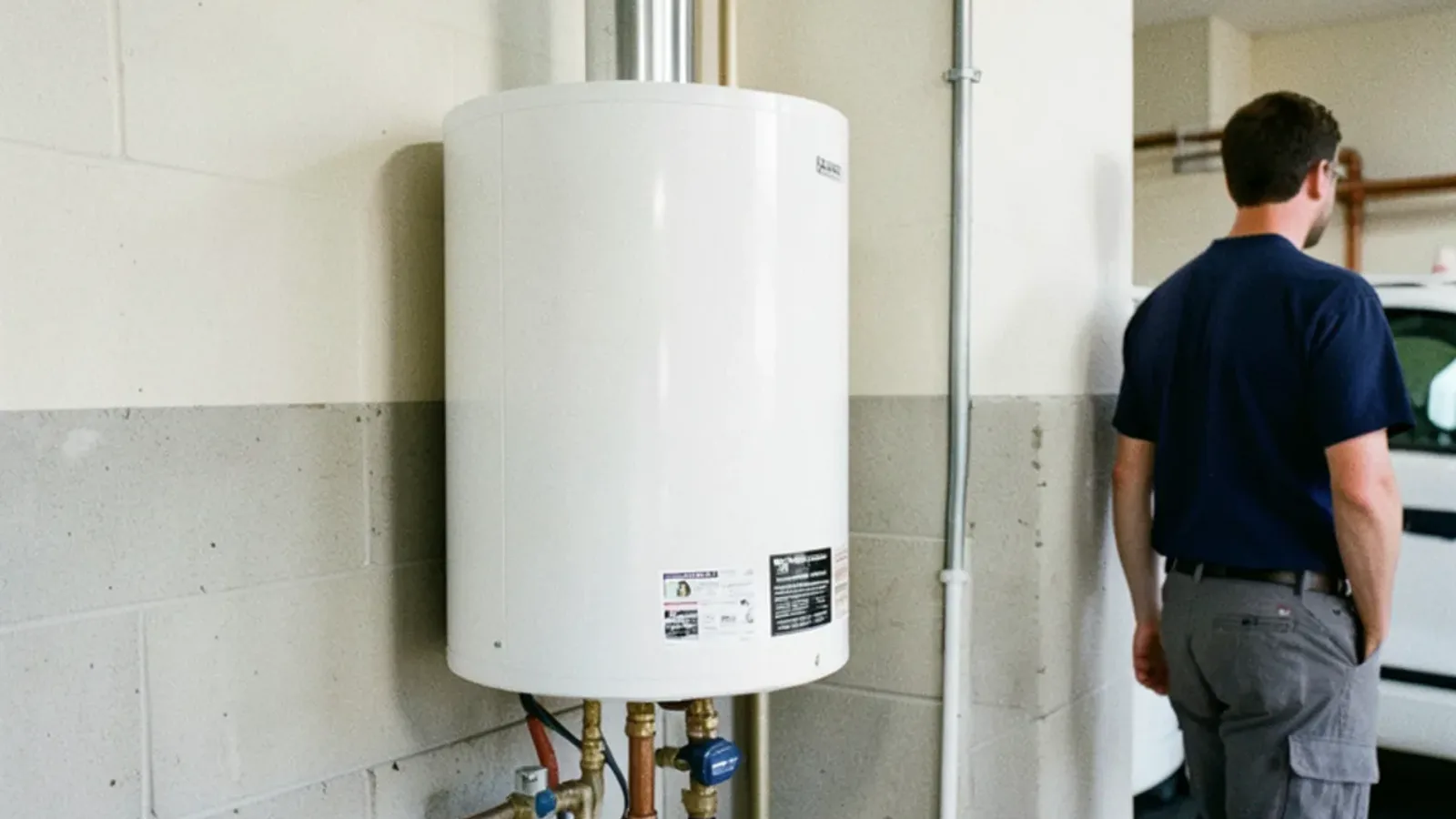
A tankless water heater makes hot water on demand instead of keeping a tank hot around the house, which saves space and energy and ends the cold shower when the tank runs dry. In Auburn Hills they fit especially well in condos and tight utility closets, and in homes where a family keeps outrunning a tank. Sizing, venting, the gas line and descaling are what make one work here.
This page covers installing a tankless unit, keeping it running with descaling, and repairing one that is throwing codes.
Sizing a tankless for a cold-climate home
A tankless unit is rated by how many gallons per minute it can heat through a given temperature rise, and that rise is what trips up an undersized install in Michigan. Incoming water here is cold much of the year, so the unit has to lift it further than it would in a warm climate to reach a comfortable temperature, which cuts the gallons it can deliver at once. We size to the fixtures that run together, a shower and a sink, two showers, against that winter rise, so the unit does not stall when two taps open on a January morning. Undersize it and you get the complaint tankless is unfairly blamed for.
Venting and the gas line a tankless needs
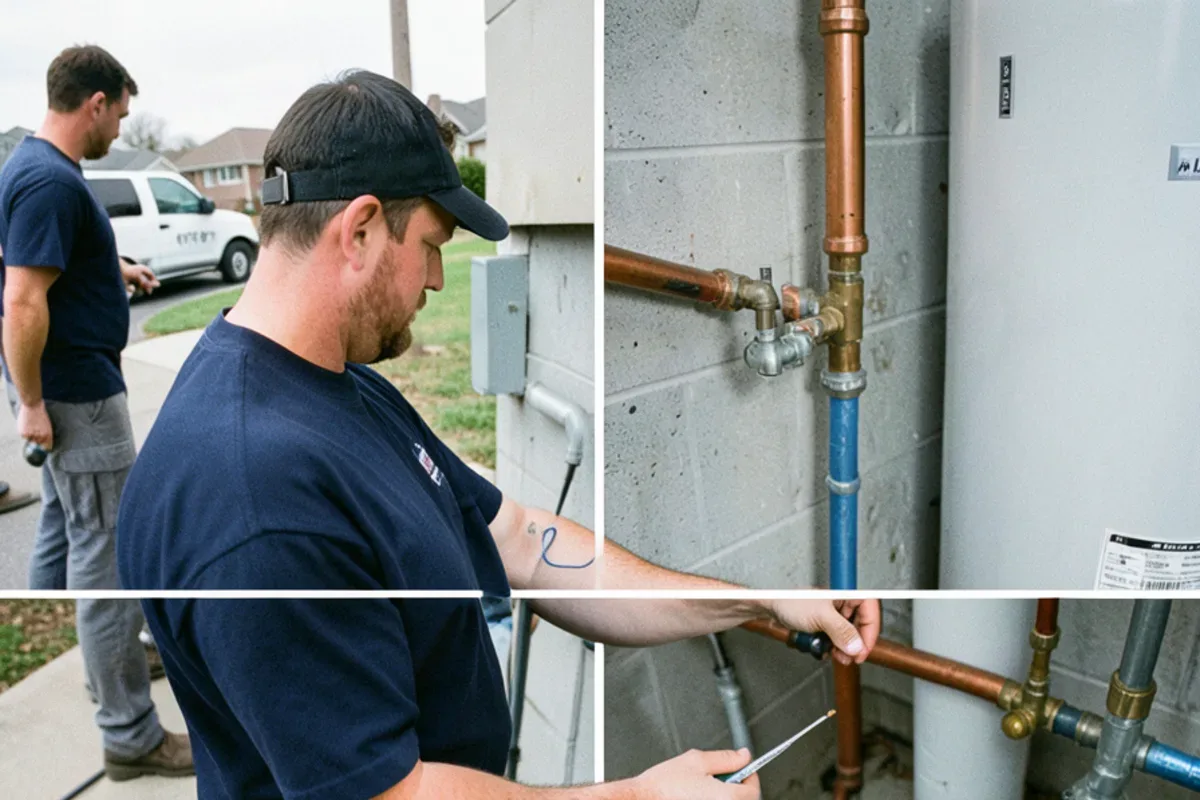
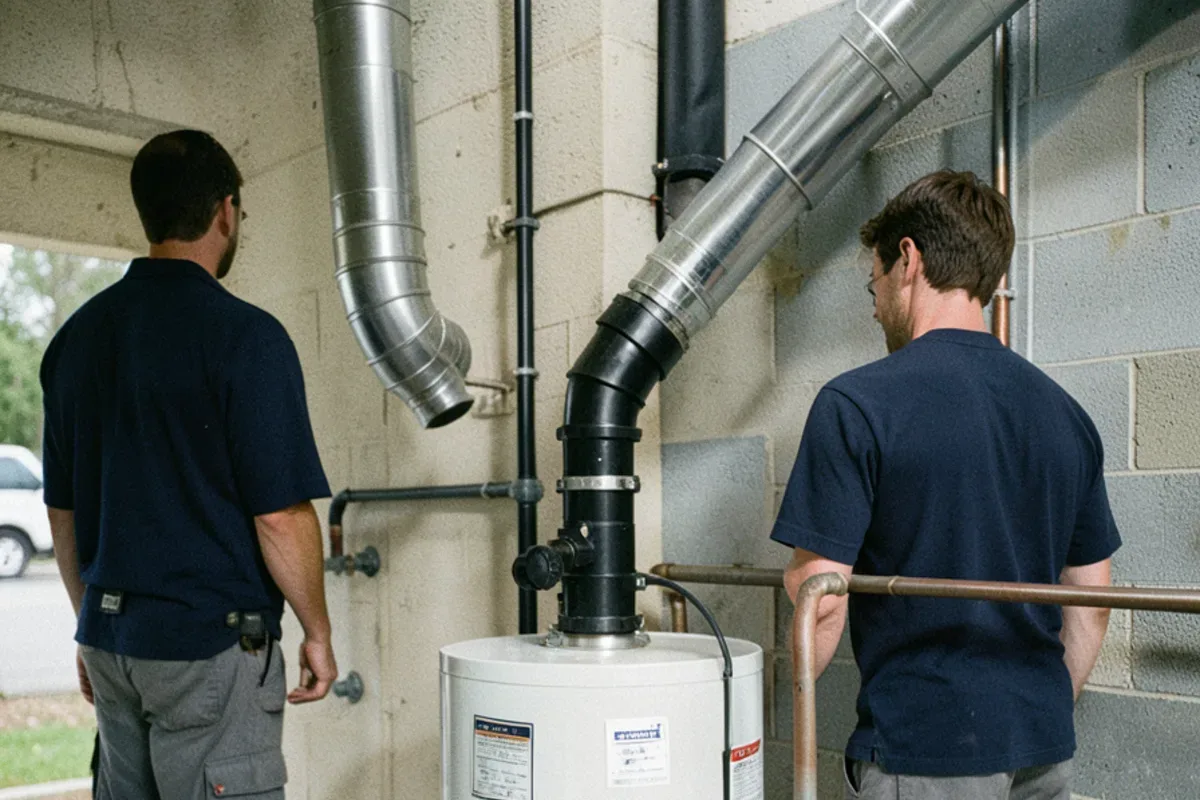
A tankless burns a lot of gas in short bursts, far more per minute than a tank, so two things often have to change on an install. The gas line usually needs upsizing to feed that demand, because the half-inch line that fed an old tank will starve a tankless and cause it to error out. And the venting is different: most modern units are sealed-combustion and vent through stainless or special plastic pipe out a sidewall, not up the old chimney. We check both before quoting, since a tankless retrofit that ignores the gas line is the most common reason one underperforms.
Why descaling matters on Auburn Hills water
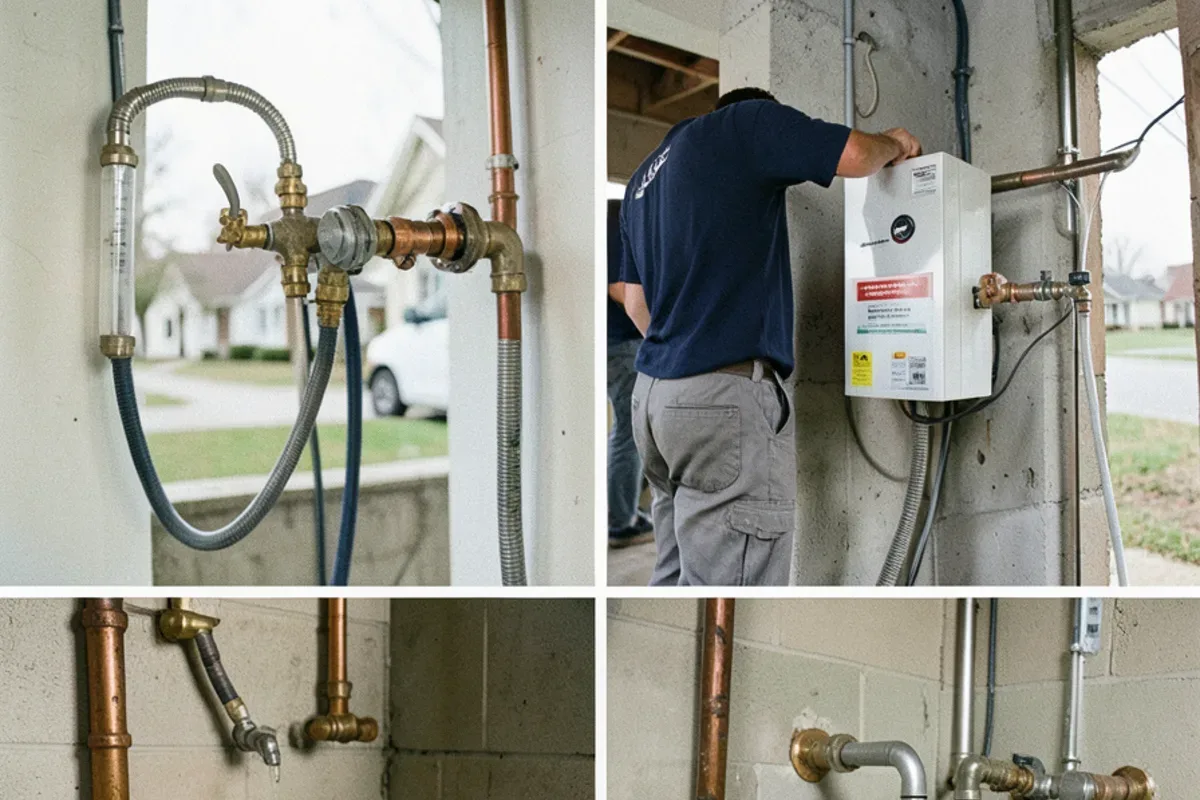
Hard water is the enemy of a tankless unit. The heat exchanger is a narrow passage, and the minerals in moderately hard GLWA city water, and the harder well water north of town, bake onto it as scale that chokes flow and efficiency and eventually triggers error codes. A tankless needs periodic descaling, flushing a cleaning solution through the exchanger, to stay healthy, which is why we install them with service valves that make the flush easy. On well water especially, pairing the unit with a water softener slows the scaling and lengthens the unit’s life.
Repairing a tankless that is throwing codes
A tankless tells you what is wrong through an error code, and most point to a short list: scale restricting the exchanger, an ignition or flame-sensing fault, a gas-supply problem from an undersized line, a blocked vent or condensate line, or a flow sensor fouled by debris. We read the code, confirm the cause rather than swap parts on a guess, and address it, a descale, a cleaned sensor, a venting or gas correction. A unit that errors under heavy draw in winter is often an undersized gas line or a sizing mismatch rather than a broken heater, which is worth knowing before replacing anything.
Tankless in condos and small Auburn Hills spaces
The wall-hung footprint is why tankless suits the condos and townhouses near Oakland University and Great Lakes Crossing, where a tank eats a closet. Freeing that floor space, and getting continuous hot water for a unit that is occupied unpredictably, are real advantages. In a condo the venting path and the gas supply still have to work within the building, and in a shared or stacked setting the association’s rules on exterior venting matter, which we confirm the way our condo and HOA plumbing work always checks the boundary before cutting anything.
Tankless water heater services around Auburn Hills and nearby cities
- Plumber in Rochester Hills
Families outgrowing a tank in its 1990s homes move to a tankless sized for the winter rise and upsized gas line.
- Plumber in Troy
High-demand homes with several baths choose tankless for continuous hot water, sized to simultaneous fixtures.
- Plumber in Birmingham
Remodels here add tankless to free utility space, with venting and gas upsizing handled as part of the job.
- Plumber in Bloomfield Township
Large homes pair multiple or high-capacity tankless units to meet busy-hour demand across several baths.
- Plumber in Orion Township
Well water is hard here, so tankless installs come with service valves and a softener pairing to control scale.
- Plumber in Rochester
Older homes retiring a marginal chimney suit a sealed-vent tankless that does not need the flue.
- Plumber in West Bloomfield Township
Condos and finished spaces gain the wall-hung footprint, with venting cleared through the association’s rules first.
- Plumber in Oakland County
County-wide, cold winter inlet water and hard supply make sizing, gas upsizing and descaling the three keys to a good tankless.
Tankless water heater services questions from Auburn Hills customers
Does a tankless water heater work well in Michigan winters?
Yes, when it is sized for the cold. Winter inlet water is cold here, so the unit must lift it further to a comfortable temperature, which lowers the gallons it can heat at once. Sizing to the fixtures that run together against that winter rise is the key. An undersized unit stalls on a cold morning, which is the complaint that gives tankless an unfair name.
Does installing a tankless require a bigger gas line?
Usually yes. A tankless burns much more gas per minute than a tank in short bursts, and the smaller line that fed an old tank will starve it and cause error codes. Upsizing the gas line is often part of the install, along with a sealed sidewall vent instead of the chimney. We check both before quoting a tankless retrofit.
How often does a tankless need descaling?
It depends on water hardness, but tankless units need periodic descaling to clear mineral scale from the heat exchanger, often yearly on hard water. We install them with service valves so the flush is straightforward. On well water, which is hard here, pairing the unit with a water softener slows the scaling and stretches the interval between descales.
Why is my tankless water heater showing an error code?
Codes usually point to scale restricting the exchanger, an ignition or flame fault, an undersized or low gas supply, a blocked vent or condensate line, or a fouled flow sensor. We read the code and confirm the cause instead of guessing. A unit that errors under heavy winter draw is often a gas-line or sizing issue, not a failed heater.
Still not sure what you're dealing with? Describe it on the phone and we'll tell you what we'd check first.
(207) 419-2600Last updated October 28, 2026