
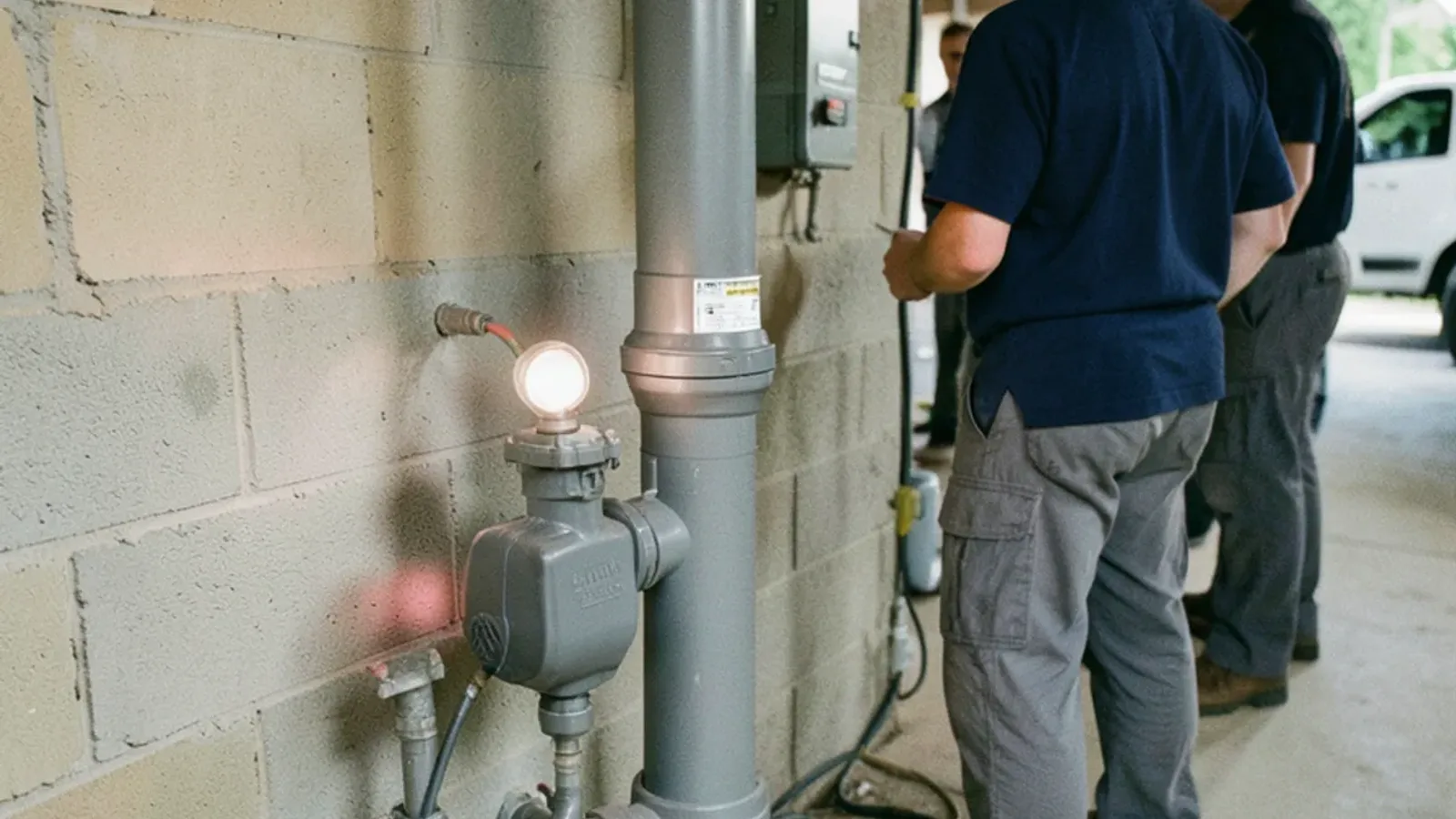
Polybutylene is the gray, and sometimes blue, plastic supply pipe run in millions of homes from the late 1970s into the mid-1990s, which lands squarely on the years most of Auburn Hills was built. It fails without much warning, usually at the fittings, and replacing it before it lets go is one of the most worthwhile plumbing decisions an owner of a home from that era can make.
If you have gray plastic pipe at the water heater or the meter, this page is for you: how to identify it, why it fails, what it means for insurance and resale, and how it is replaced.
How to tell if you have polybutylene
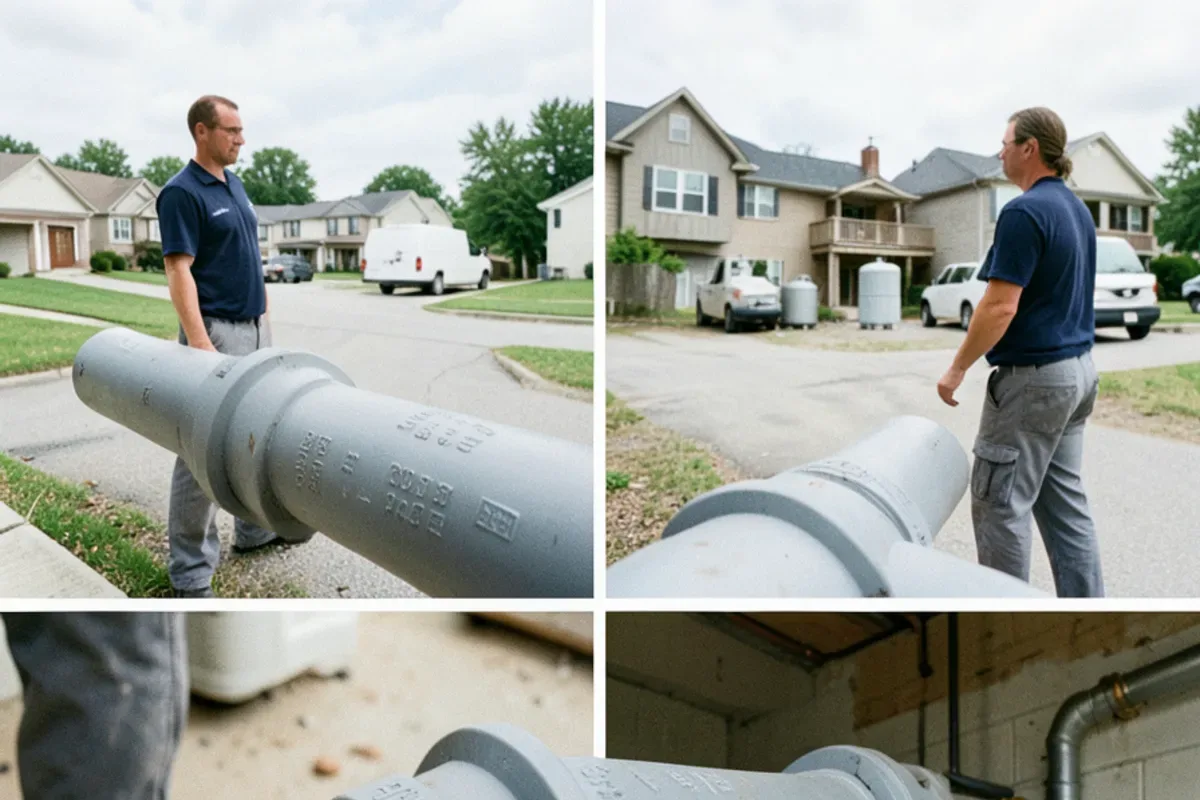
Polybutylene is easiest to spot where the pipe is exposed: at the water heater, the main shutoff by the meter, and where lines run across a basement or utility-room ceiling. Look for dull gray plastic pipe, usually half-inch or three-quarter, often marked PB2110, joined with gray or white plastic fittings and metal crimp bands, or copper crimp rings. It is softer and more flexible than the rigid white CPVC it is sometimes confused with. Blue versions exist too, mostly on outdoor or well runs. If you are not sure, a quick look during any visit settles it.
Why polybutylene fails
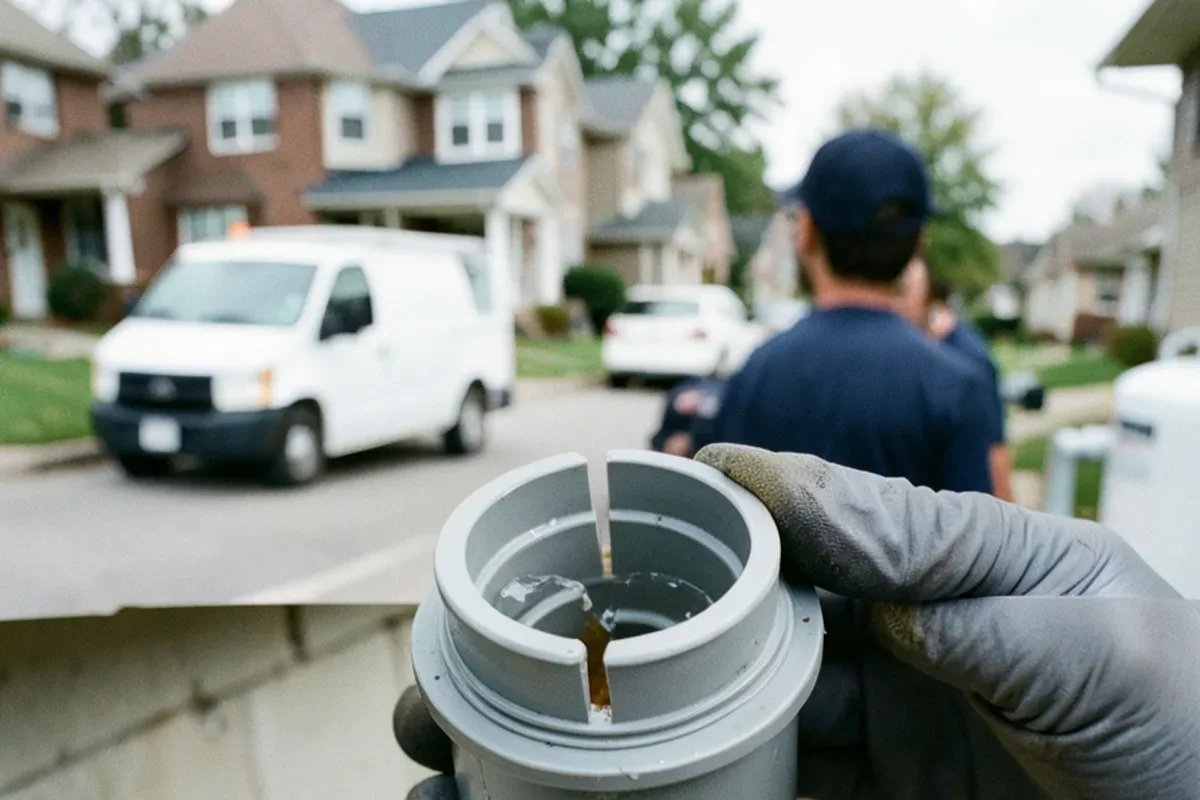
The failure is built into the material. Chlorine and other oxidants in treated municipal water, the kind GLWA delivers to Auburn Hills, slowly attack polybutylene from the inside, making it brittle and prone to flaking and cracking. The original acetal plastic fittings are the usual first point of failure, splitting at the crimp. Because the damage builds inside the pipe where you cannot see it, a line can look fine right up until a fitting cracks and sprays. That hidden, sudden nature is what makes poly worth replacing on your schedule rather than on its.
What polybutylene means for insurance and resale
Beyond the leak risk, polybutylene follows a home on paper. Some insurers decline to cover a house with it or charge more, and a home inspector will flag it, so it routinely comes up in a sale and can affect price or hold up a deal. The pipe was the subject of a large class-action settlement in the 1990s, though that fund has long since closed, so replacement today is on the owner. Swapping it out removes the inspection flag, the insurance question and the leak risk in one move, which is why many owners do it before listing.
Replacing poly without gutting the house
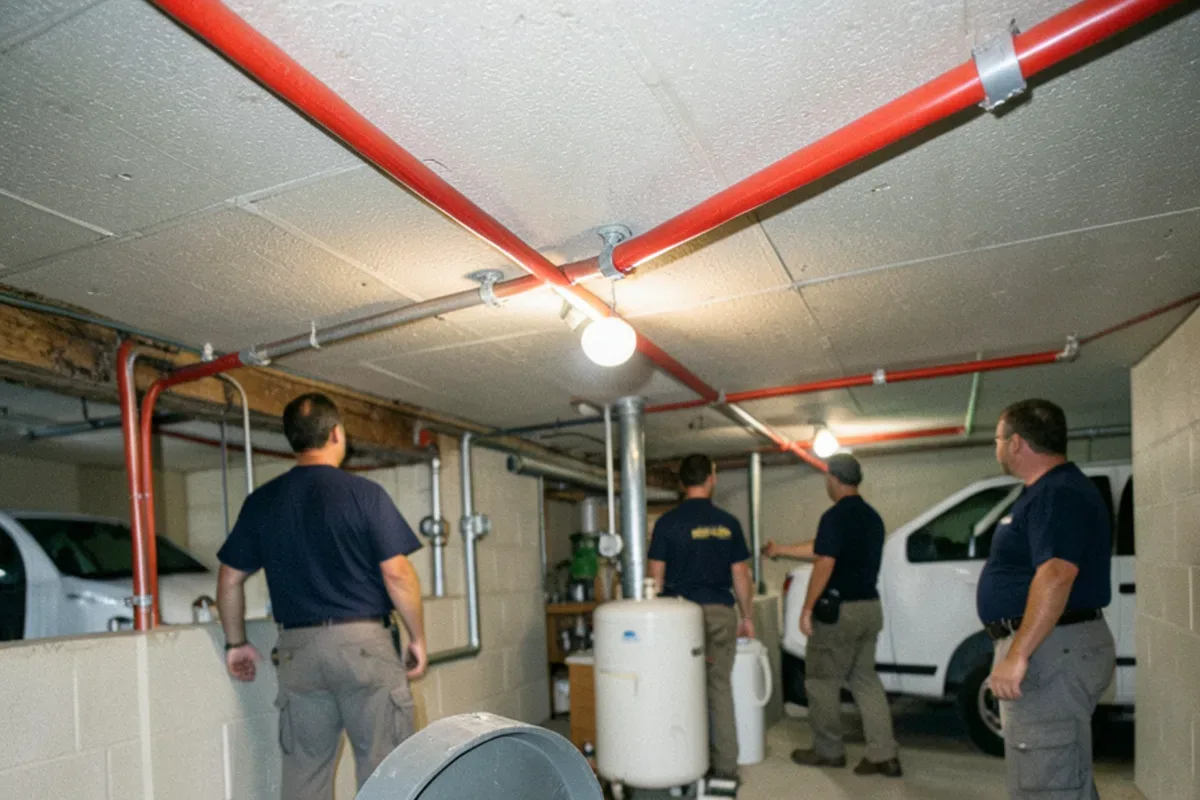
Replacement follows the same minimal-drywall approach as any whole-home repipe: the runs are mapped, lines are accessed through the basement ceiling, closets and small openings at each fixture, and new PEX or copper goes in to every tap. The poly is pressure-tested out and abandoned or removed. Because poly homes here are mostly 1980s and 1990s builds with accessible basements, the job is often cleaner than owners expect. Doing the whole system at once, rather than one failed fitting at a time, is the point, since a single new crimp on old poly nearby just delays the next call.
Permits, inspection and cost
Replacing supply pipe is permitted work under the 2021 Michigan Plumbing Code, with the plumbing permit from the Auburn Hills Community Development Department and an inspection of the new system. Cost tracks the size of the home, the number of fixtures and baths, and how accessible the runs are, the same factors as any repipe. We scope it fixture by fixture and give the number up front, with the openings patched ready for paint. Weighed against a single poly failure soaking a finished room, replacing it ahead of time is usually the lower-cost and lower-stress path.
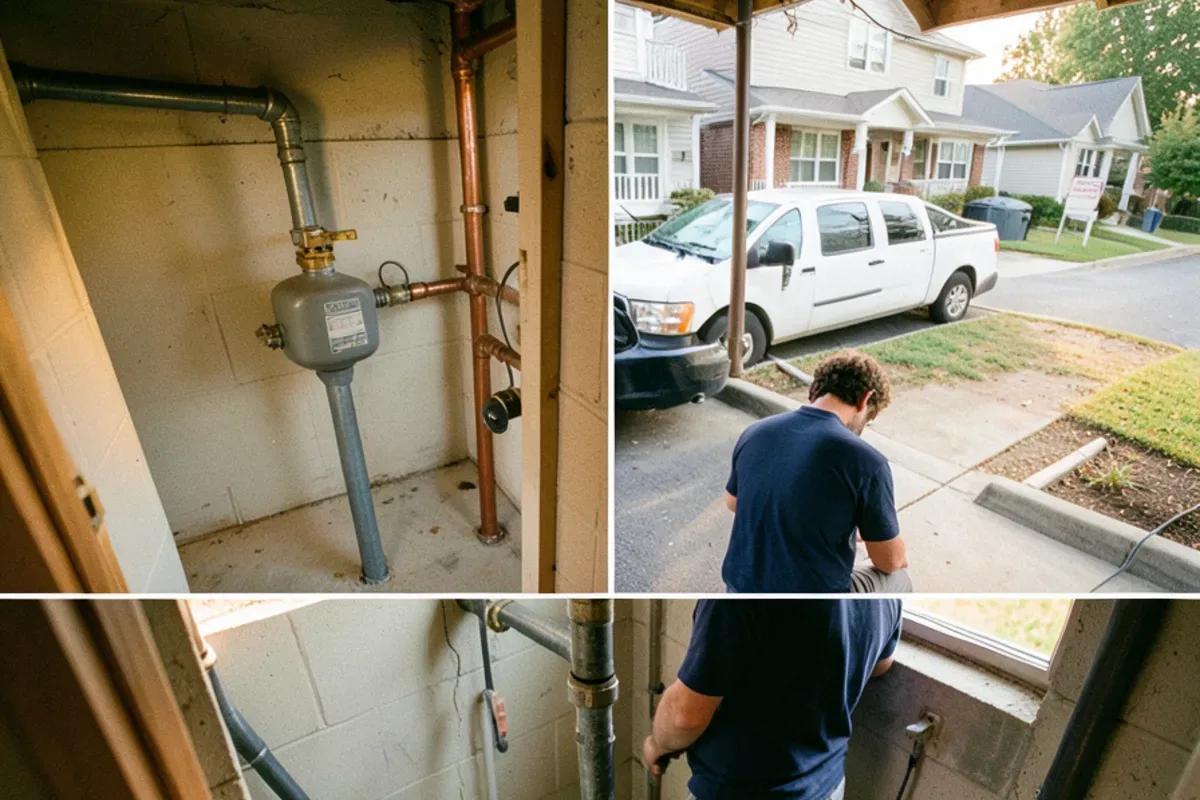
Polybutylene pipe replacement around Auburn Hills and nearby cities
- Plumber in Rochester Hills
A large share of its homes were built in the polybutylene years, so gray plastic pipe at the water heater is common.
- Plumber in Orion Township
Late-1980s and 1990s subdivisions here used polybutylene, and well homes sometimes have the blue outdoor version too.
- Plumber in Lake Orion
Homes from the building boom carry poly supply lines that are now decades into the material’s brittle decline.
- Plumber in Troy
Finished basements make a sudden poly fitting failure costly, so owners here replace it ahead of a leak.
- Plumber in Bloomfield Township
Larger 1990s homes have long poly runs, where replacing the system beats chasing fittings one at a time.
- Plumber in Rochester
Newer subdivisions on the edges of Rochester used poly, and it surfaces in inspections when these homes sell.
- Plumber in Independence Township
Clarkston-area 1990s homes used polybutylene, and the well versions add outdoor runs worth replacing too.
- Plumber in Waterford Township
Lake-area homes from the poly years carry gray supply pipe that insurers and buyers increasingly flag.
- Plumber in Oakland County
County-wide, the 1978-to-1995 building window means polybutylene is in homes across every community we serve.
Polybutylene pipe replacement questions from Auburn Hills customers
How do I know if my home has polybutylene pipe?
Look where the pipe is exposed, at the water heater, the main shutoff by the meter, and across the basement ceiling. Polybutylene is dull gray, sometimes blue, soft and flexible plastic, often marked PB2110, with gray plastic fittings and crimp bands. It is not the rigid white CPVC it is sometimes mistaken for. If you are unsure, we confirm it on any visit.
Why is polybutylene considered a problem?
Chlorine and oxidants in treated city water attack it from the inside, making it brittle so it cracks, usually at the original plastic fittings, often with no warning. Because the damage is inside the pipe, a line can look fine until a fitting splits and sprays. That hidden, sudden failure is why it is worth replacing before it lets go rather than after.
Does polybutylene affect my home insurance or sale?
It can. Some insurers decline or surcharge a home with polybutylene, and an inspector will flag it in a sale, which can affect price or stall a deal. The 1990s class-action settlement fund closed years ago, so replacement is now on the owner. Replacing it clears the inspection flag, the insurance issue and the leak risk together.
Can polybutylene be replaced without a major remodel?
Yes. It is replaced like any planned repipe, accessing lines through the basement ceiling, closets and small openings at each fixture rather than stripping walls, then running new PEX or copper to every tap. Most poly homes here have accessible basements, so the job is usually cleaner than expected, and the openings are patched ready for paint.
Still not sure what you're dealing with? Describe it on the phone and we'll tell you what we'd check first.
(207) 419-2600Last updated October 28, 2026