

 By Plumber in Auburn Hills, MI, plumbers on Pond Run in Auburn HillsPublished October 28, 2026Last updated October 28, 2026
If the rotten egg smell shows up only at the hot tap and the cold water is fine, the problem is in the water heater, not the supply. That sulfur smell is hydrogen sulfide gas, produced when certain harmless bacteria react with the magnesium anode rod inside the tank, and it is most common on well water and in heaters that sit unused for stretches. It is unpleasant rather than dangerous, and it has a few reliable fixes.
Here is why it happens, how to tell it is the heater and not the water, and what actually clears it.
Why only the hot water smells
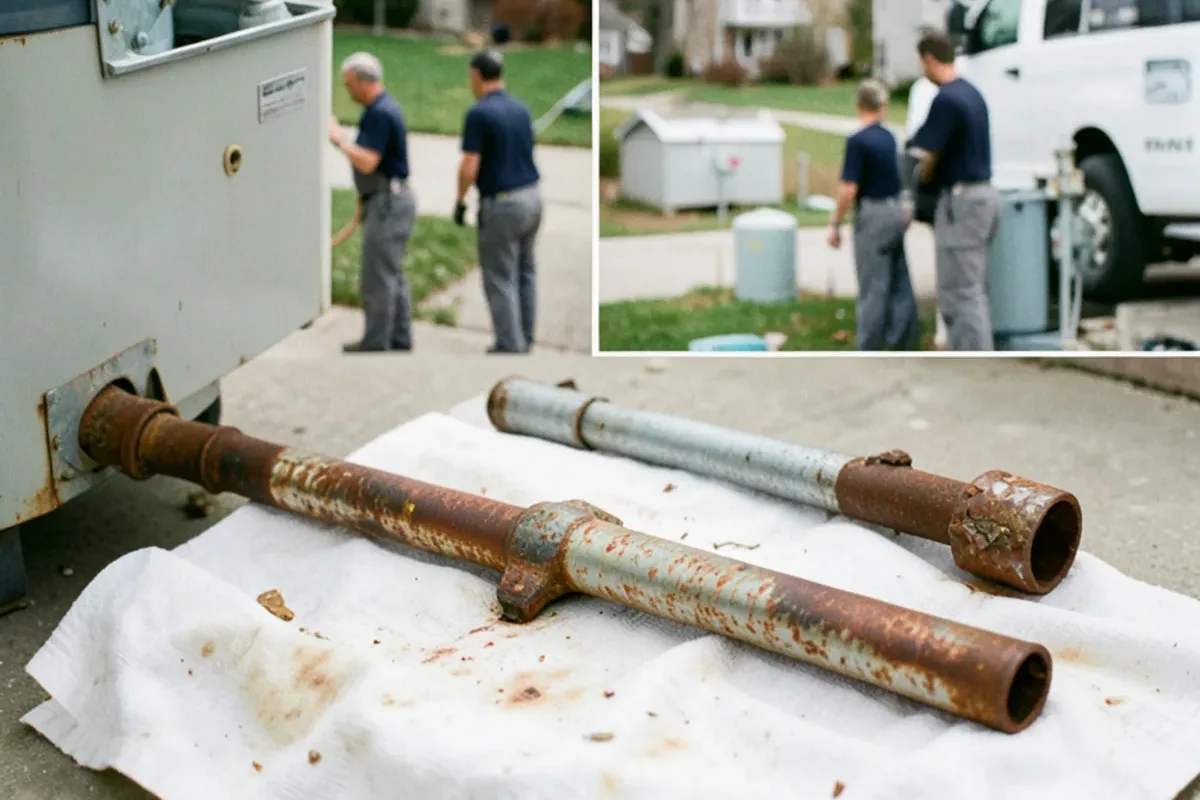
The giveaway is that the smell follows the hot water and the cold is clean. Inside every tank heater is a sacrificial anode rod, usually magnesium, that corrodes in place of the steel tank to protect it. On some water, particularly well water with sulfur-reducing bacteria, that corroding magnesium feeds a reaction that produces hydrogen sulfide, the rotten egg gas. The tank is the perfect environment for it: warm, dark, and holding water long enough for the reaction to build. Because it happens in the heater, the cold line, which never enters the tank, stays odor-free. That split, smelly hot and clean cold, is how you know you are dealing with the heater rather than a problem in the well or the municipal supply.
Confirm it is the heater, not the water
Before treating anything, confirm the pattern. Run the cold tap at a couple of fixtures and smell it; if the cold is clean and only the hot smells, the heater is the source. If both hot and cold smell, the issue is in the water supply itself, a well with sulfur bacteria or, rarely, the incoming water, and that calls for treatment at the source rather than work on the heater. It also helps to notice whether the smell is worse after the water has sat, first thing in the morning or after a weekend away, which is classic for the in-tank reaction, since the gas builds while the water is still.
What actually clears it
There are a few proven fixes, in rough order of durability. A thorough flush and a chlorine sanitizing of the tank kills the bacteria and often clears the smell for a good while, though it can return if the water keeps reintroducing them. Replacing the standard magnesium anode rod with an aluminum-zinc rod removes much of the fuel for the reaction and is the most common lasting fix, while still protecting the tank. Removing the anode entirely stops the smell but leaves the tank unprotected and shortens its life, so it is not a route we recommend. On well water that keeps feeding the problem, treatment ahead of the heater is the real answer, and our water heater repair and water softener work covers both the tank and the supply side.

Why well homes see it more
The rotten egg smell is far more common on the private wells of the northern Oakland townships than on municipal water, and there is a reason. Treated city water carries a chlorine residual that suppresses the sulfur bacteria, while well water usually does not, so the bacteria reach the heater alive and the reaction has what it needs. Well water also more often carries its own sulfur content. That is why a well home that clears the smell with a flush may see it come back, and why the lasting answer for those homes is often treatment of the water before it reaches the tank, not only repeated work on the heater itself. A home on a well that keeps regenerating the smell a few weeks after each sanitize is really telling you the supply, not the tank, is the thing to treat.
When to just replace the heater
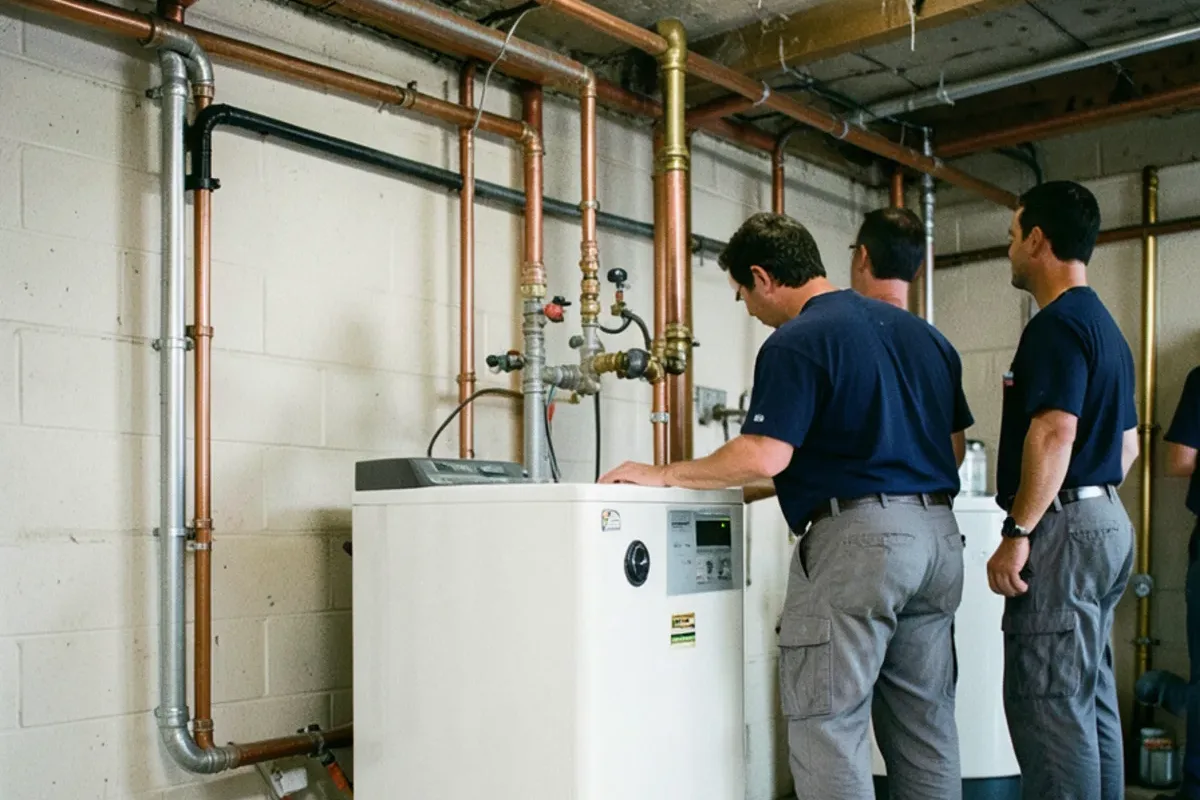
If the heater is relatively new, an anode swap and a sanitize should put it right and it is well worth doing. If the heater is already old, the smell is one more sign among others, rumbling, slow recovery, discolored hot water, that the tank is near the end, and the honest move may be to replace it and address the water side at the same time. We would rather help you decide which situation you are in than sell a new heater for a problem a thirty-dollar rod would fix, so the first step is always confirming the cause before spending on the cure.
Questions people ask about this
Why does only my hot water smell like rotten eggs?
Because the smell is made inside the water heater. The magnesium anode rod that protects the tank can react with sulfur bacteria in the water to produce hydrogen sulfide, the rotten egg gas. The cold line never enters the tank, so it stays clean. Smelly hot water with clean cold water is the sign the heater, not the supply, is the source.
How do I get rid of the sulfur smell for good?
Flushing and sanitizing the tank with chlorine kills the bacteria and often clears it for a while. The more lasting fix is swapping the standard magnesium anode for an aluminum-zinc rod, which removes much of the fuel for the reaction while still protecting the tank. On well water that keeps feeding it, treatment ahead of the heater is the real answer.
Why is the rotten egg smell worse on well water?
Treated city water carries a chlorine residual that suppresses the sulfur bacteria, while well water usually does not, so the bacteria reach the heater alive and the reaction has what it needs. Well water also more often contains sulfur itself, which is why northern Oakland well homes see this far more than homes on municipal water.
Want a plumber to look at your situation? We're on Pond Run in Auburn Hills.
(207) 419-2600