
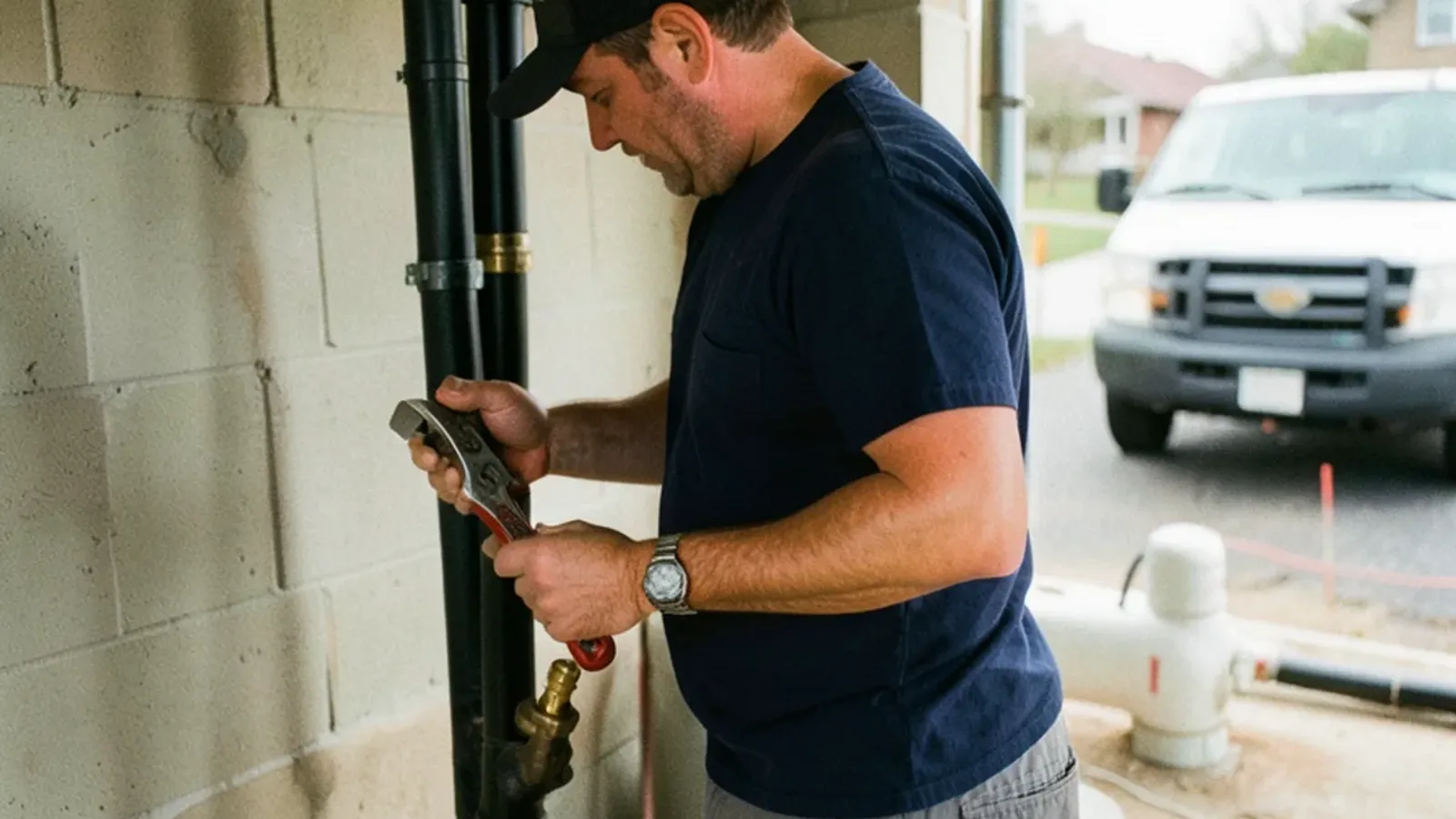
Most gas work in an Auburn Hills home is not a leak but an addition: a gas range where there was electric, a dryer in a new laundry spot, a standby generator, a patio heater or fire pit, or a pool heater. Each needs a line sized for the appliance, run in the right pipe, fitted with a shutoff, and pressure-tested before the gas flows. It is licensed, permitted work, and the sizing is where a bad job shows.
Here is what installing, extending and repairing a gas line involves, and why the pressure test matters.
Adding or extending a gas line
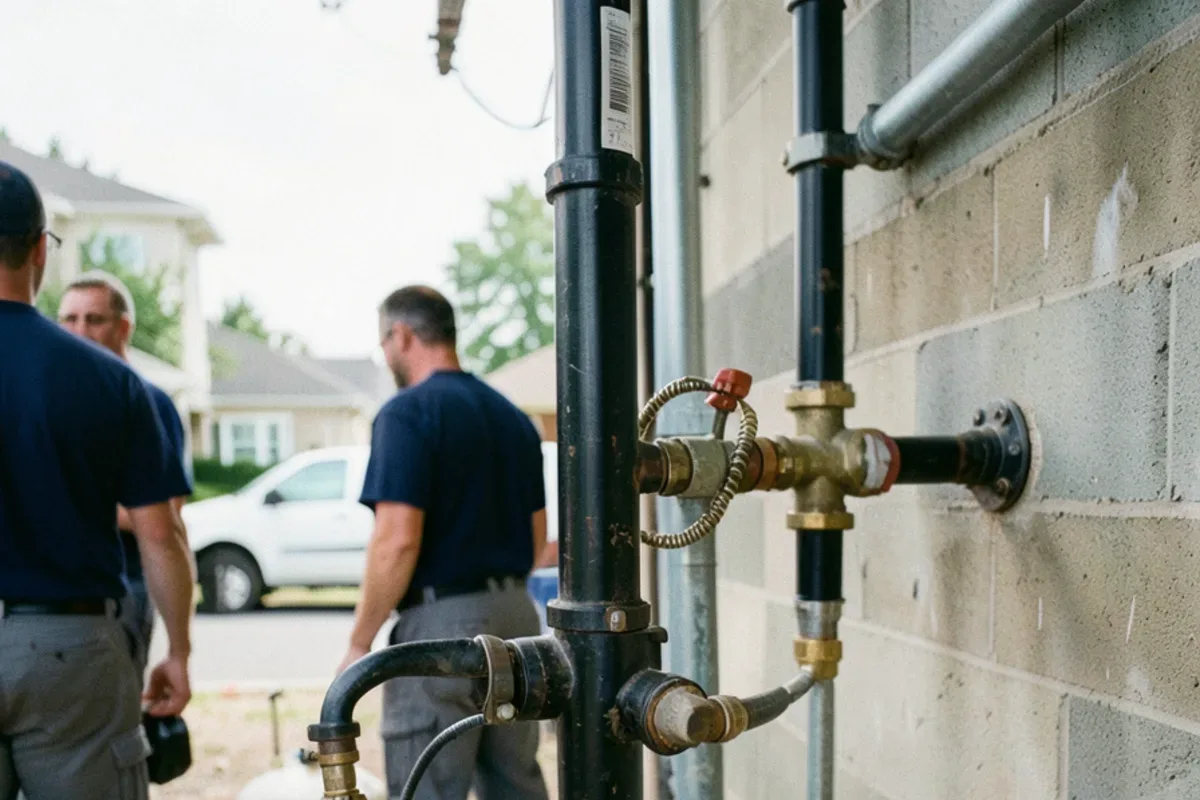
Running gas to a new spot starts at the meter or an existing line with capacity to spare and routes to the appliance. The common jobs in Auburn Hills homes are a kitchen converting to gas cooking, a laundry adding a gas dryer, a backup generator sized to run the house in an outage, and outdoor appliances like a grill, patio heater, fire pit or pool heater. Each is a branch off the system that has to be planned so the rest of the appliances still get their share, which is a sizing question before it is a plumbing one.
Sizing the line for the appliance load
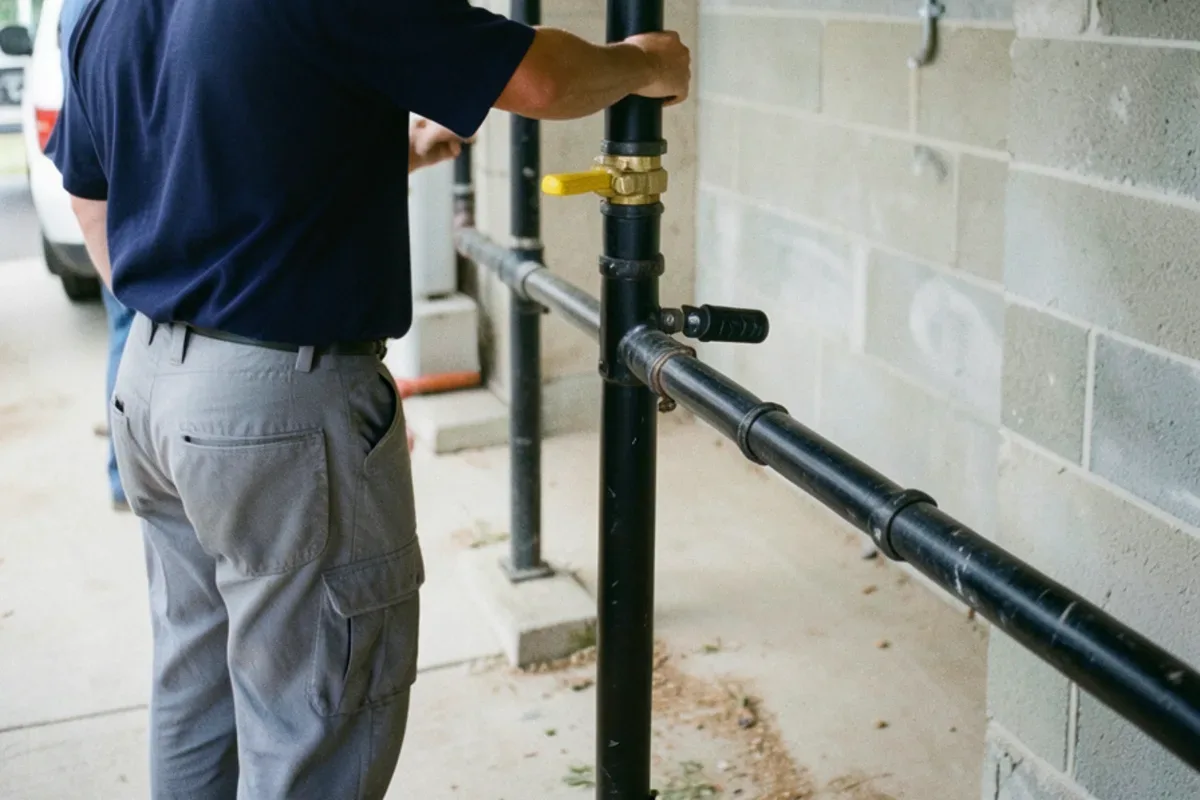
This is the step that separates a working gas line from one that disappoints. Every gas appliance draws a certain amount of fuel, measured in BTUs, and the pipe has to be large enough to deliver that to the farthest appliance while everything else runs. A line sized for an old cooktop will starve a high-output range or a tankless water heater, and a generator meant to carry the house needs a feed most existing branches cannot provide. We calculate the load and the distance and size the pipe to it, rather than tapping the nearest line and hoping it keeps up.
Repairing an aging gas line
Older Auburn Hills homes, and the pre-1960 houses in the Auburn Heights core and nearby Pontiac and Rochester, have threaded black steel gas pipe that can corrode at the fittings or at a sediment trap, or a connector that has aged out. Repair means isolating the section, remaking the failed fitting or length, and pressure-testing it before the gas returns. Flexible CSST gas line, used in some newer homes, has its own bonding and fitting rules that we follow. A line that smells faintly of gas at a joint is a repair to make now, handled the way our gas leak detection work does when a leak is active.
The pressure test before the gas returns
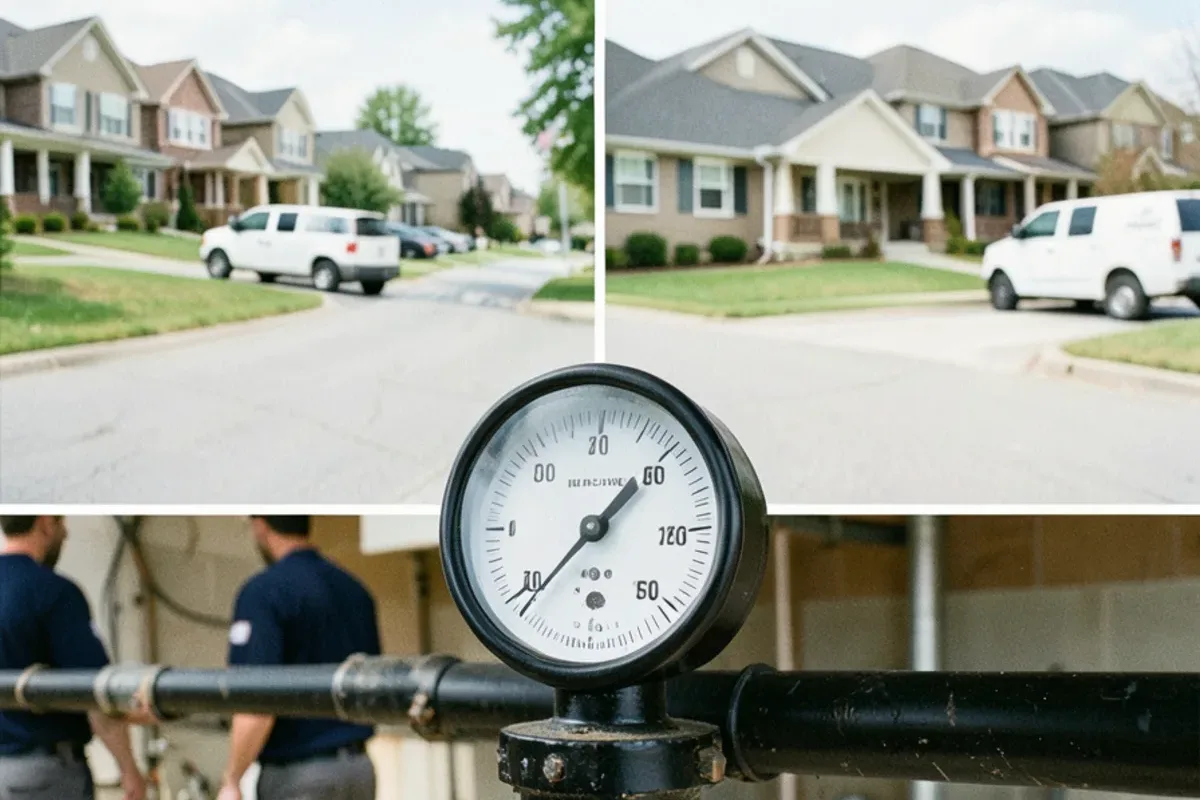
No gas line we touch goes back into service without proving it is tight. The new or repaired section is capped and put under test pressure with a gauge, and it has to hold for the required time with no drop. A gauge that holds is a tight line; one that falls is not, and it stays off until it does. Because the gas utility owns the meter, Consumers Energy or DTE restores and relights the service after the inspection passes. That sequence, test then inspect then relight, is the safeguard, and we keep every part of it.
Permits, licensing and the generator question
Gas work is licensed and permitted under the 2021 Michigan codes, with the plumbing permit from the Auburn Hills Community Development Department and an inspection before the gas is restored. That is true of the most common upgrade we are asked about, a standby generator, where the gas feed often has to be upsized to carry the generator plus the furnace and water heater it will run during an outage. We size and permit the gas side; an electrician handles the transfer switch. Getting the gas feed right is what keeps the generator from stalling the first time it has to run the whole house.
Gas line repair and installation around Auburn Hills and nearby cities
- Plumber in Rochester Hills
Its 1990s homes add gas ranges, dryers and generators that each need a branch sized and pressure-tested.
- Plumber in Troy
Kitchen and laundry remodels convert to gas, and standby generators need an upsized, permitted feed.
- Plumber in Bloomfield Township
Large homes add generators, pool heaters and outdoor kitchens, extending the gas system in ways that must be sized.
- Plumber in Birmingham
High-end remodels convert to gas cooking and add patio and fire-pit lines run and tested to code.
- Plumber in Pontiac
Older homes have aging threaded steel gas pipe that corrodes at fittings and needs isolating and repairing.
- Plumber in Rochester
Downtown-era homes mix old gas piping with new appliance installs, so repair and new runs go together.
- Plumber in Lake Orion
Lake homes add gas garage and pool heaters, loads the existing pipe is often not sized to carry.
- Plumber in Bloomfield Hills
Estates add whole-house generators and outdoor gas features that require a carefully sized, permitted feed.
- Plumber in Oakland County
County-wide, most gas work is additions and upsizing for generators and ranges, all licensed, permitted and tested.
Gas line repair and installation questions from Auburn Hills customers
Can you run a gas line for a new range, dryer or generator?
Yes. Each is a branch off the gas system sized for that appliance, run in proper pipe with a shutoff, and pressure-tested before the gas flows. A generator usually needs the feed upsized to carry the furnace and water heater it runs during an outage. It is licensed, permitted work, and we size the line to the load and the distance rather than tapping the nearest pipe.
Why does gas-line sizing matter so much?
Because an undersized line starves the appliance. Every gas appliance draws a set amount of fuel, and the pipe has to deliver that to the farthest one while everything else runs. A line sized for an old cooktop will choke a high-output range or a tankless heater. We calculate the load and distance and size the pipe to it, which is what makes the appliance actually perform.
Is a permit required to install or extend a gas line?
Yes. Gas work is licensed and permitted under the 2021 Michigan codes, with the plumbing permit from the Auburn Hills Community Development Department and an inspection before the gas is restored. The line is pressure-tested to prove it holds, and the utility relights the meter after the inspection passes. That test-inspect-relight sequence is the safeguard on every gas job.
Do you repair older gas lines as well as install new ones?
Yes. Older homes here have threaded black steel pipe that corrodes at fittings and sediment traps, and connectors that age out. We isolate the section, remake the failed fitting or length, and pressure-test it before the gas returns. Flexible CSST line has its own bonding and fitting rules we follow. A joint that smells faintly of gas is a repair to make right away.
Still not sure what you're dealing with? Describe it on the phone and we'll tell you what we'd check first.
(207) 419-2600Last updated October 28, 2026