
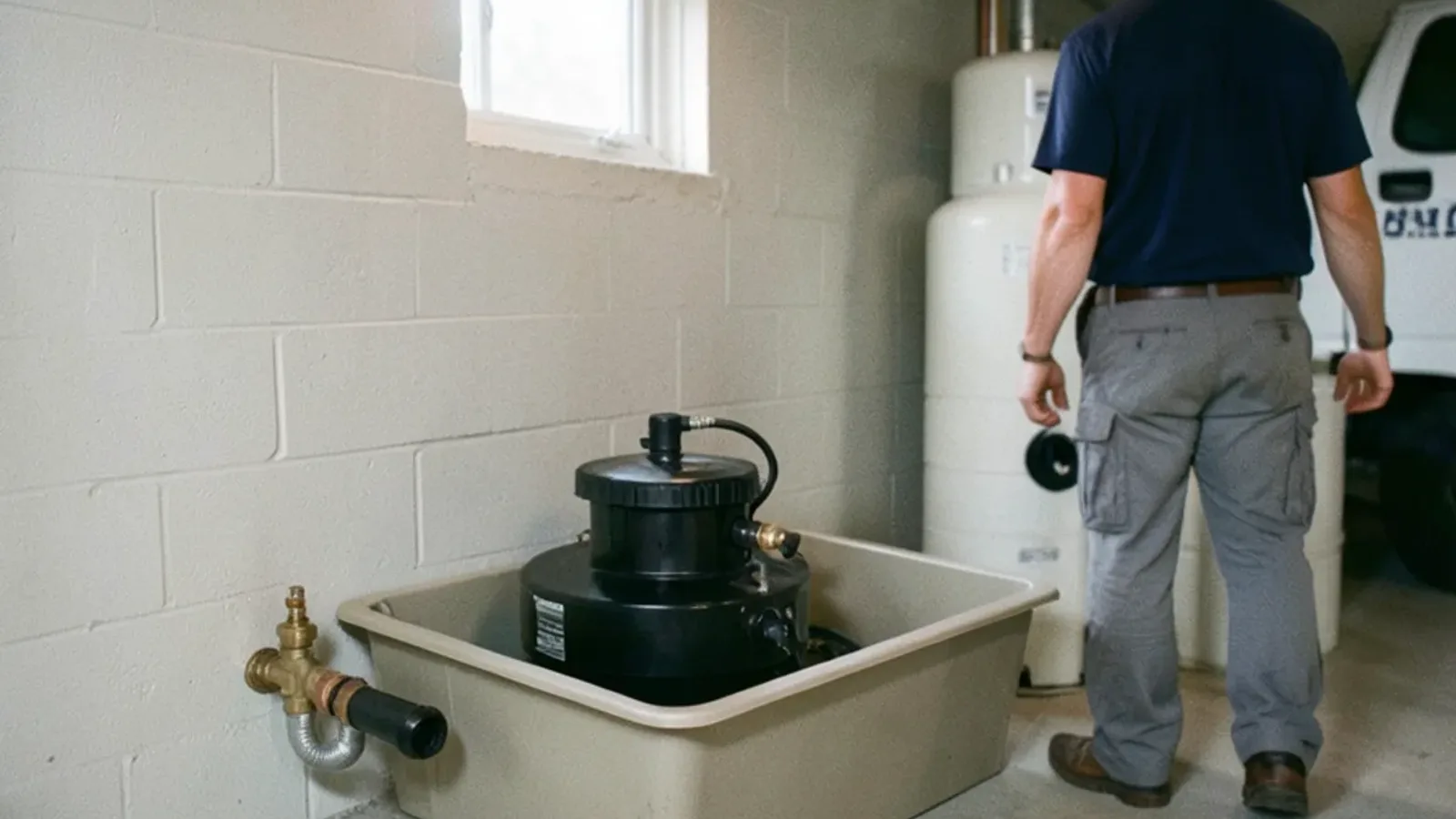
A sump pump keeps groundwater out of an Auburn Hills basement by collecting it in a pit and pushing it outside before it reaches the floor. When one runs nonstop, cycles on and off every few seconds, or sits silent in a storm, the pit is the first place the trouble shows and the last place you want to ignore it.
On the flat clay lots across this part of Oakland County, the sump works hard every spring. Here is how we diagnose a failing pump and what a sound installation looks like.
Why basements here need a sump in the first place
The ground does it. Much of the county sits on clay that holds water against a foundation for days after a heavy rain, and the Clinton River runs flashy, so storms raise the water table fast. The footing drain around the house collects that groundwater and routes it to the sump pit, where the pump lifts it out and away. Without a working pump, the pit fills and the water finds the floor. This is clean groundwater, which is why it goes to the yard or storm system and not down the sanitary ejector that handles waste.
What a failing sump pump is doing
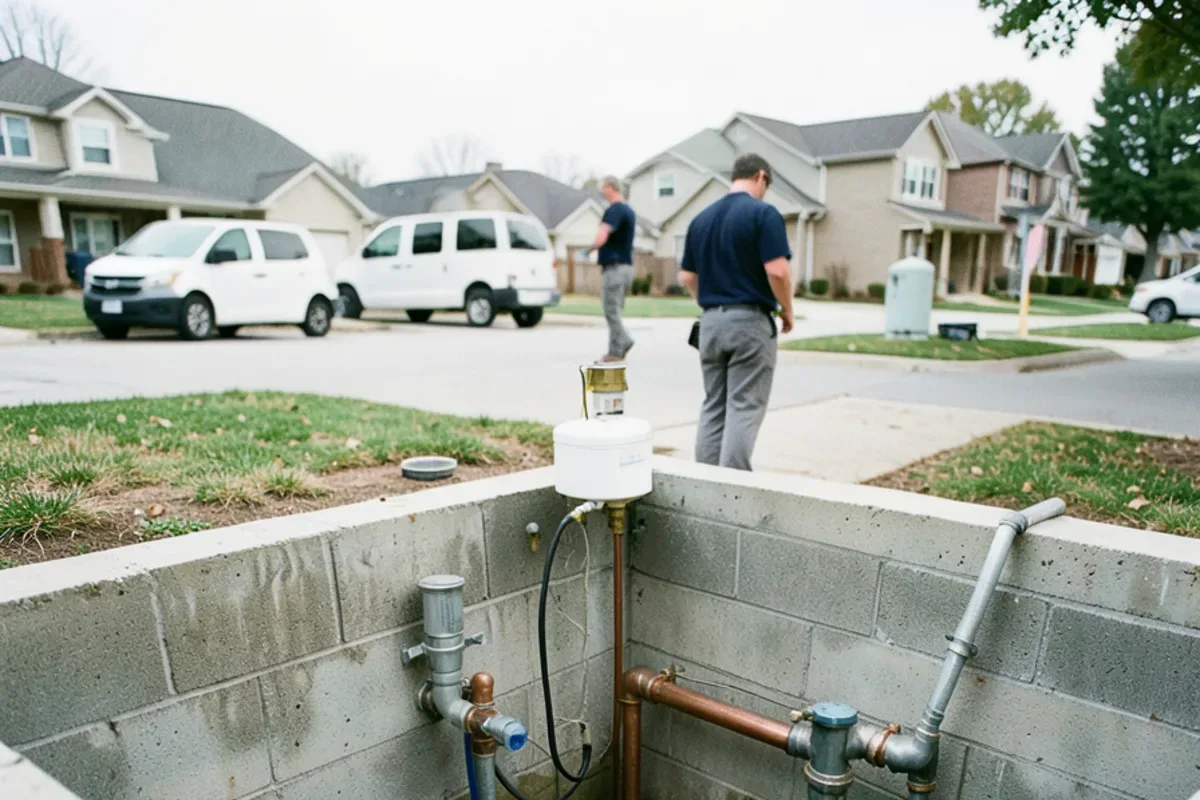
The symptom points to the part. A pump that runs constantly often has a float stuck up, a check valve that lets water fall back so it never gains, or a pit taking on more water than the pump is sized for. One that short-cycles, snapping on and off, usually has a float set too tight or a waterlogged pit that needs a bigger basin. A pump that hums without pumping is seized or jammed. Silence means no power, a tripped breaker, or a motor that has burned out. We check the float, the check valve, the impeller and the pit before deciding between a repair and a new pump.
Repair or replace the pump
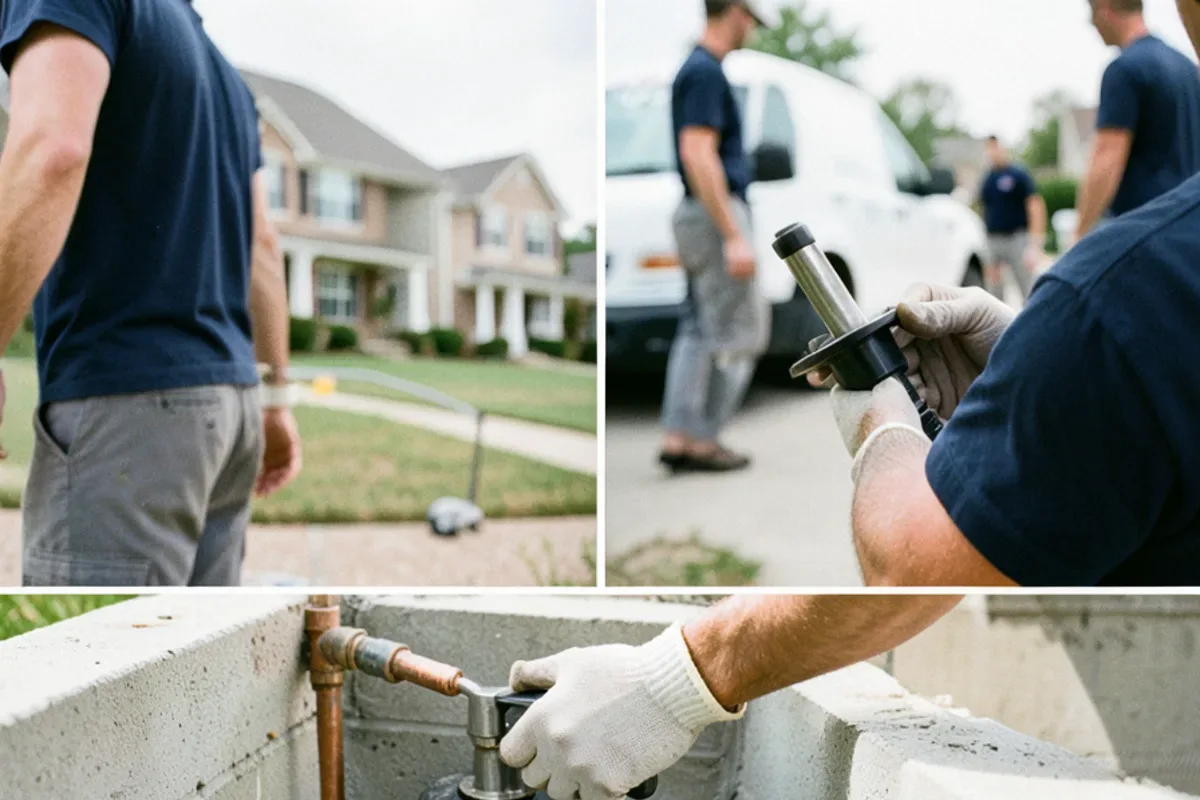
A stuck float, a failed check valve or a clogged discharge is a repair, and we do those rather than sell a pump you do not need. Replacement is the call when the motor has failed, when the pump is undersized for how much water the pit takes in a real storm, or when it is simply old. A submersible pump has a working life of roughly ten years, so a unit original to a 1990s home is on borrowed time. When we replace one, we size it to the pit’s inflow, fit a new check valve, and confirm the discharge runs far enough from the foundation that the water does not circle back.
The storm that takes the power with it
The hardest moment for a sump is the summer storm that floods the basement and knocks out the power at the same time. A pump with no electricity is no pump at all, which is why a battery backup is the companion piece for a basement you cannot afford to lose. If your pit floods faster than one pump can keep up even with power, the answer may be a higher-capacity pump or a second one, which we size to what the pit actually takes rather than guessing.
Installing a sump where there was not one
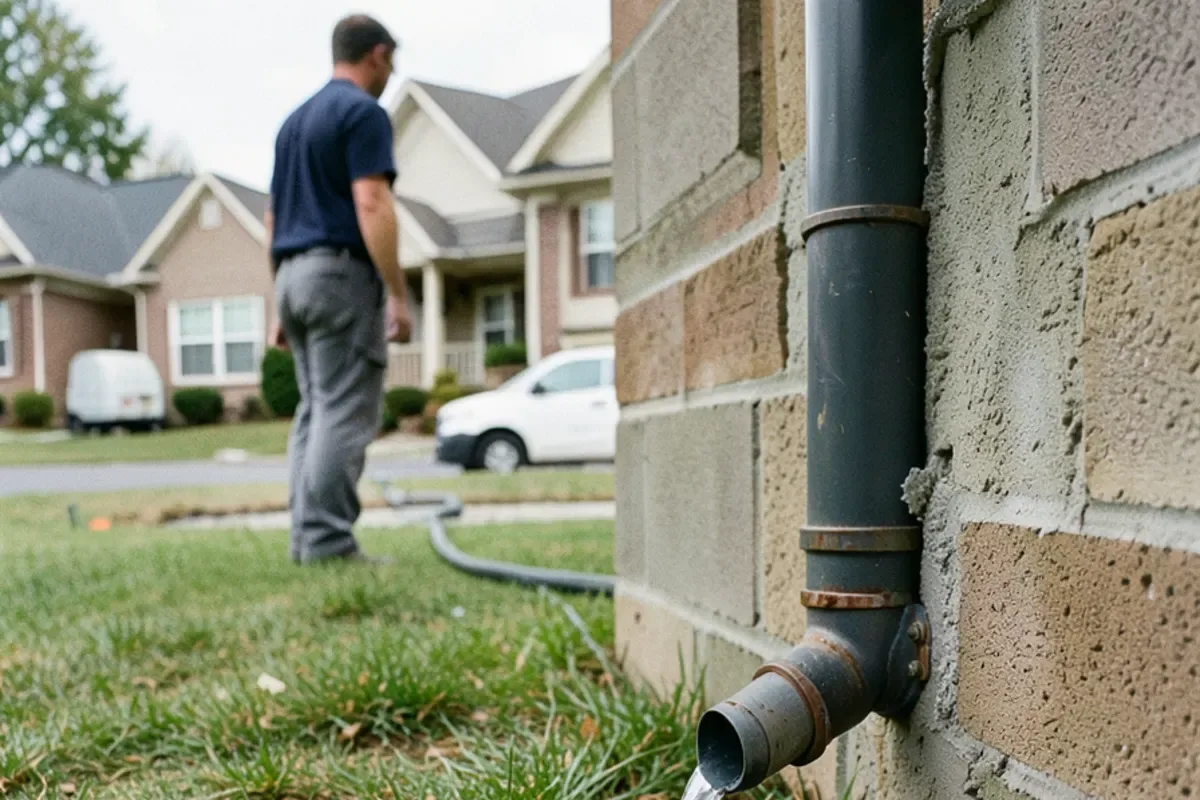
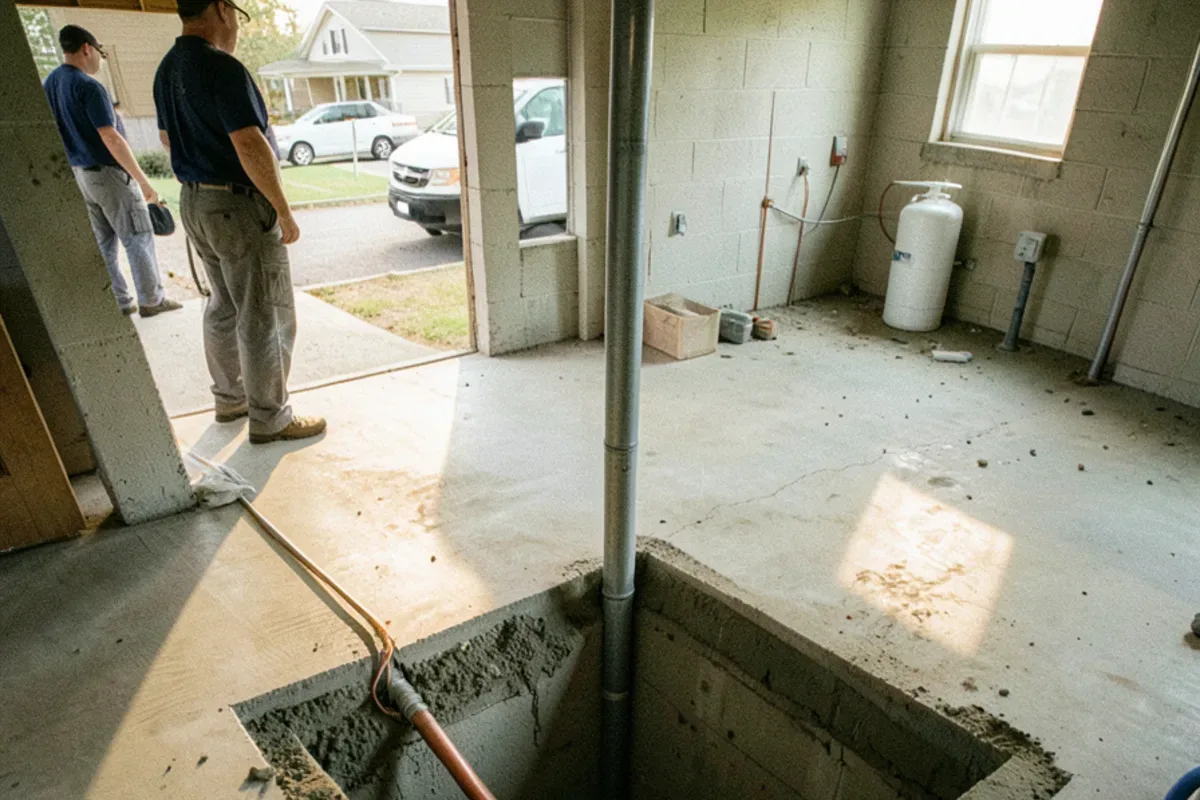
Some older homes, and the odd newer one, take on water without a sump at all. Adding one means cutting a pit into the basement floor at the low point, tying in the footing drain, setting a basin and pump, and running a sealed discharge to the outside with a check valve. Done right, it turns a basement that sweats or floods into a dry one. We confirm where the water is actually coming in first, because a sump handles groundwater from below, while water coming in through a wall crack or a window well is a different fix.
Sump pump installation and repair around Auburn Hills and nearby cities
- Plumber in Rochester Hills
Flat clay subdivisions here keep sumps cycling every spring, and the original 1990s pumps are now at the end of their life.
- Plumber in Troy
Finished basements raise the stakes on a failed pump, so homeowners replace aging sumps before the storm that would ruin the room.
- Plumber in Waterford Township
High water tables near the lakes keep pits full, so pumps here run hard and backups are almost standard equipment.
- Plumber in Orion Township
Lake-area and clay lots take on groundwater fast, and a sump sized to the real inflow is what keeps a basement dry.
- Plumber in Lake Orion
Low-lying lots near the lake raise the water table in storms, so sump capacity and a backup matter more here.
- Plumber in Bloomfield Township
Large finished lower levels depend on a sump that cannot afford to quit, which is why backups and capacity upgrades are common.
- Plumber in Independence Township
Clay and lake-country soils hold water against foundations, keeping sumps busy well into spring.
- Plumber in West Bloomfield Township
Lakeside lots with high groundwater run pumps constantly, so a worn float or check valve shows up quickly.
- Plumber in Oakland County
County-wide, clay soil and a flashy Clinton River keep sumps working, and a ten-year-old pump is the usual replacement.
Sump pump installation and repair questions from Auburn Hills customers
Why does my sump pump run constantly even when it is dry out?
Usually one of three things: a float stuck in the up position, a check valve that lets pumped water fall back into the pit so the pump never catches up, or a pit taking in water from a high water table or a leaking line. We check the float and check valve first, then look at whether the pump is sized for the inflow, before calling it worn out.
How long does a sump pump last?
A submersible pump runs roughly ten years, give or take, depending on how often it cycles. A pump original to a 1990s Auburn Hills home is well past that and living on luck. Replacing one before it fails, rather than during the storm that finally kills it, is the difference between a planned visit and a flooded basement.
Do I need a battery backup for my sump pump?
If a wet basement would be costly, yes. The worst storms here knock out power exactly when the pump is needed most, and a pump with no electricity does nothing. A battery backup is a second pump that runs off a battery through the outage. We size it to how long your pit can go and how much water it takes.
Can you add a sump pump to a basement that does not have one?
Yes. We cut a pit at the basement low point, tie in the footing drain, set a basin and pump, and run a sealed discharge outside with a check valve. First we confirm the water is coming up from below, where a sump helps, rather than in through a wall crack or window well, which needs a different repair instead.
Still not sure what you're dealing with? Describe it on the phone and we'll tell you what we'd check first.
(207) 419-2600Last updated October 28, 2026