
A gas leak is the one plumbing emergency where the first call is not to a plumber. If you smell gas or a carbon monoxide alarm sounds in your Auburn Hills home, leave and call your gas utility or 911 from outside. Our work starts after the utility has made the house safe: finding the leak, repairing the line, and getting the system pressure-tested so the gas can come back on.
Gas piping is licensed work for a reason, and the steps are not negotiable. Here is how a leak is found and fixed, and the gas jobs a newer home tends to need.
The moment you suspect gas, do this first
Trust your nose and your alarm. The rotten-egg smell added to natural gas is there precisely so a small leak is noticed. If you smell it, get everyone and any pets out of the house without flipping switches, using the phone indoors, or lighting anything. From outside or a neighbor’s, call your gas utility, which for Auburn Hills is Consumers Energy or DTE Gas depending on your street, or call 911. A carbon monoxide alarm means the same thing: fresh air and 911. The utility shuts and secures the meter before any repair begins.
Who is allowed to work on a gas line in Michigan
Fuel-gas piping is not general handyman work. In Michigan it is done under state licensing through LARA, and the finished work is permitted and inspected under the 2021 Michigan Plumbing and Mechanical codes. That is not red tape for its own sake: a gas line that leaks or is sized wrong is a fire and carbon-monoxide risk, so the rules require a pressure test and an inspection before the gas is restored. We describe what the work involves and handle the permit; the utility relights and verifies the meter.
How a gas leak is found and repaired
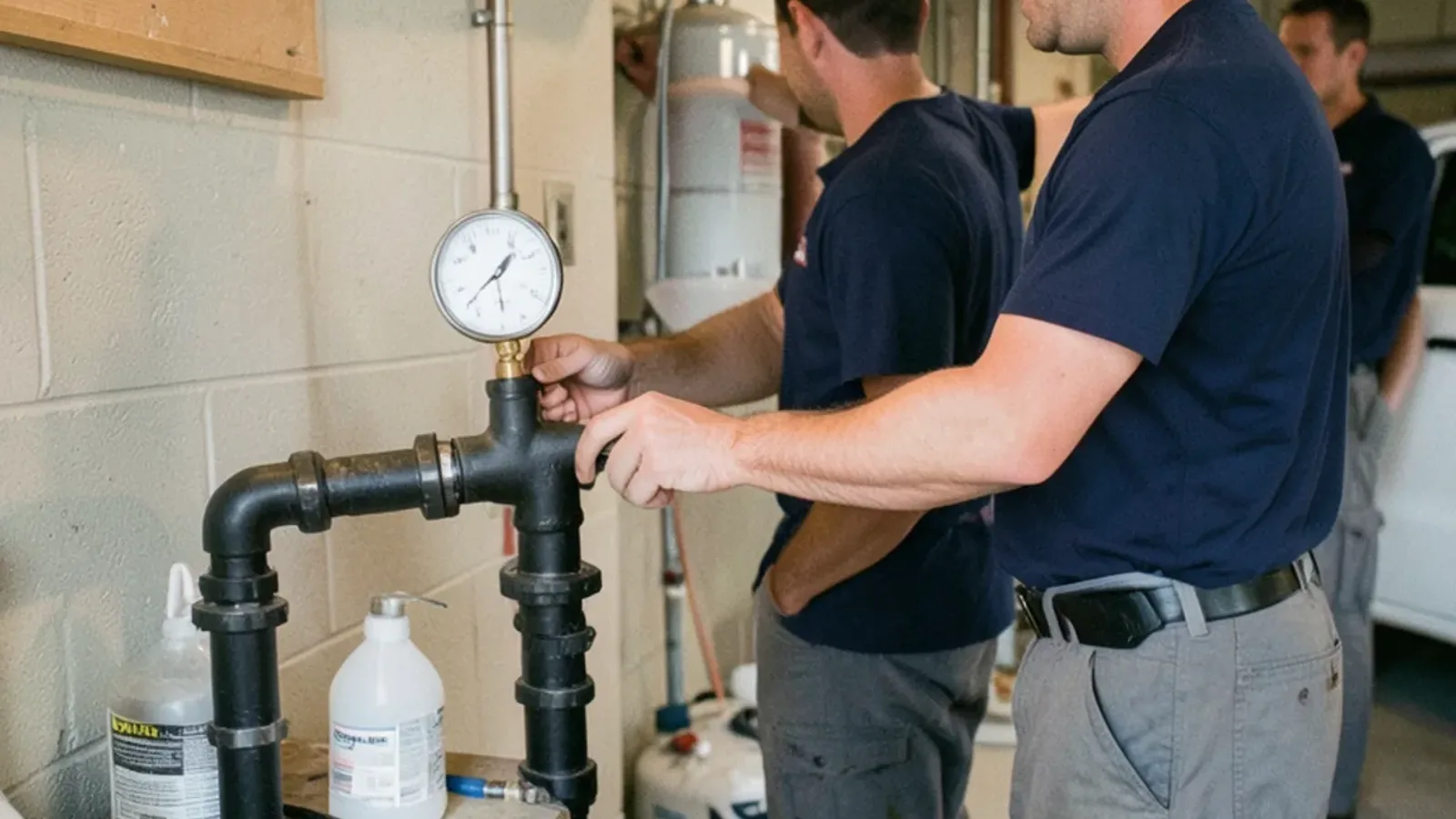
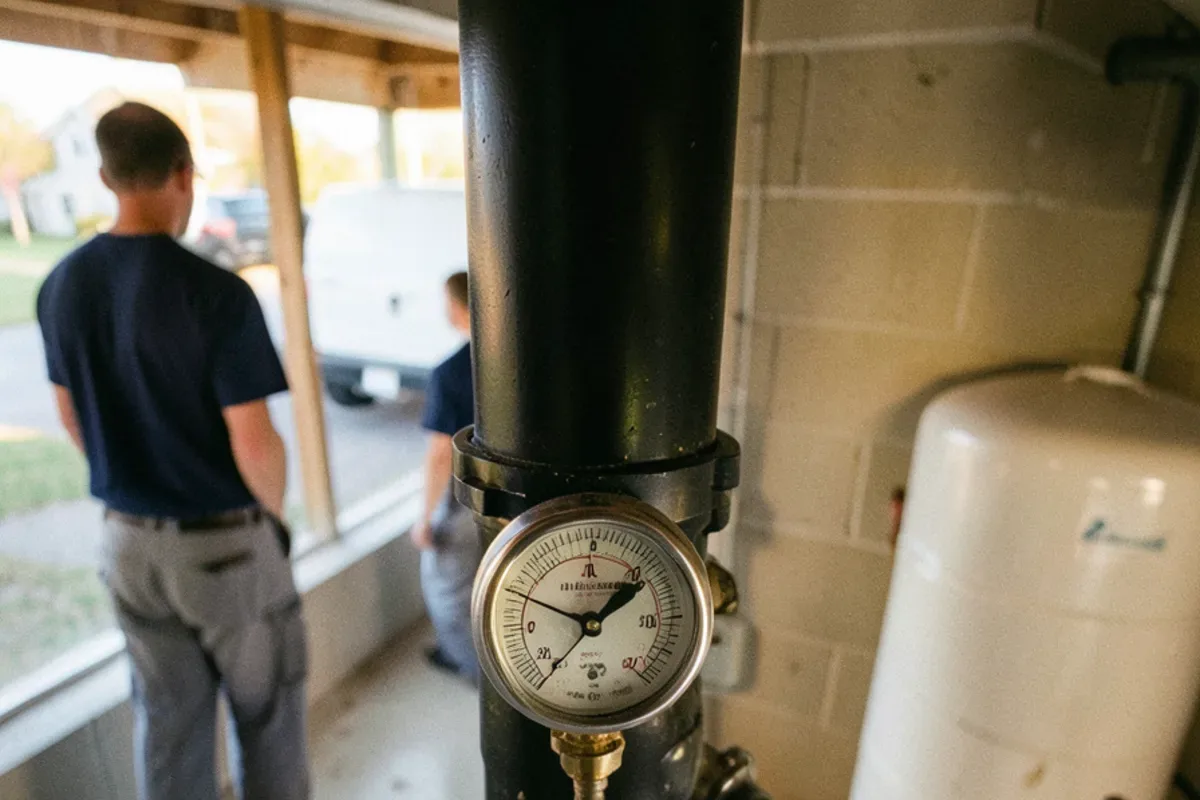
Once the utility has secured the meter, the line is isolated and put under test pressure with a gauge. A drop on the gauge confirms a leak somewhere in that section. From there the joints and fittings are checked with a leak-detection solution that bubbles at the escape point, and an electronic gas detector pinpoints it when the leak is small or hidden. The failed fitting or length of pipe is then remade, usually in black iron with a fresh sediment trap, or in approved flexible connector where code allows.
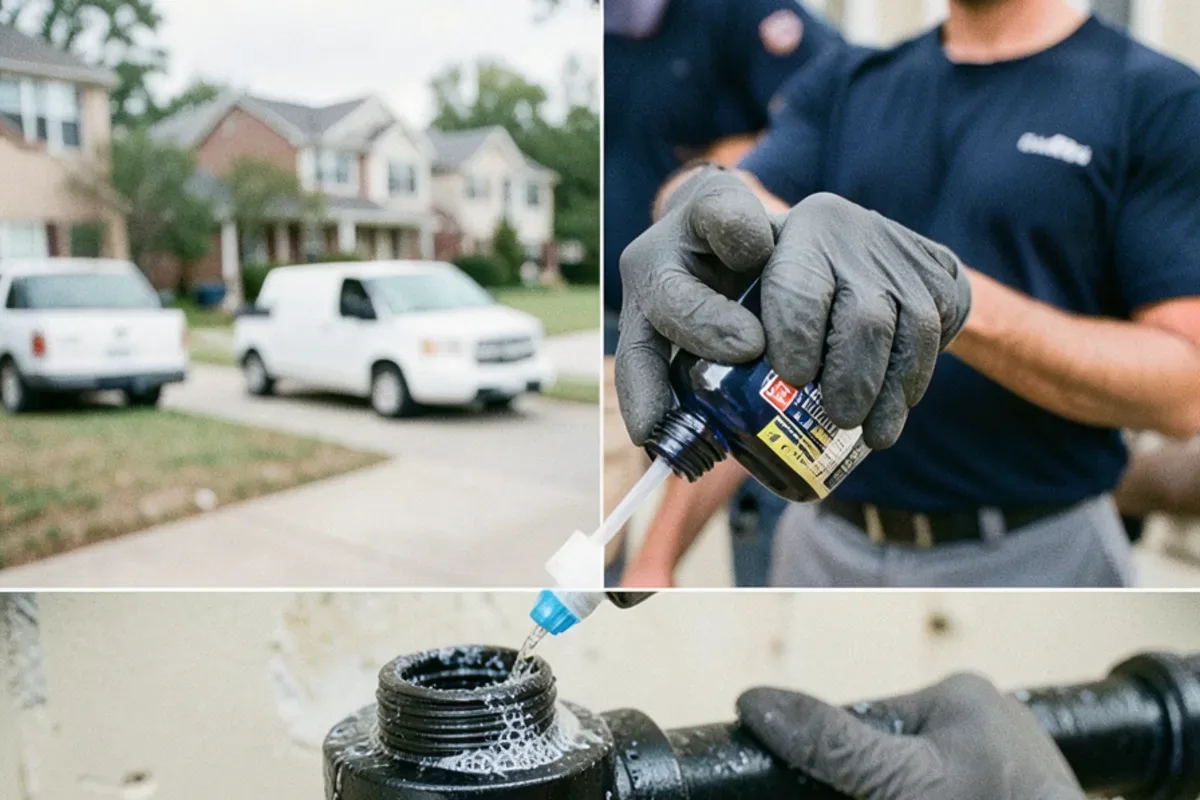
The whole section is re-tested after the repair and left under pressure to confirm it holds before the utility is called back to restore service. Nothing is lit until the gauge stays put.
The gas work newer Auburn Hills homes ask for
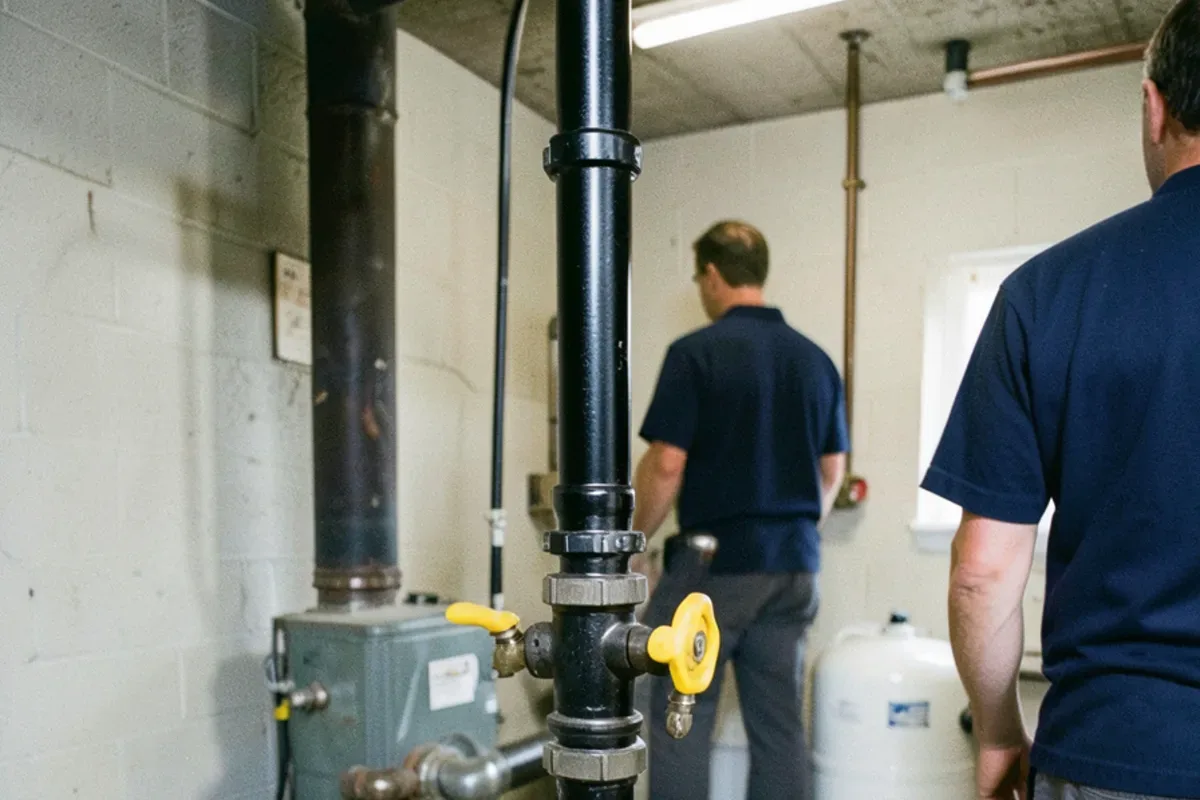
Most gas calls here are not leaks at all but changes to the piping. A 1990s home adding a gas range where there was electric, a dryer in a new laundry spot, a standby generator, or a line for a garage heater all need pipe run and sized for the load, then pressure-tested. So does moving a water heater or furnace. Each of those is the same licensed, permitted work as a repair, because adding to a gas system is exactly where sizing and leak-tightness matter.
Why the pressure test and the meter matter
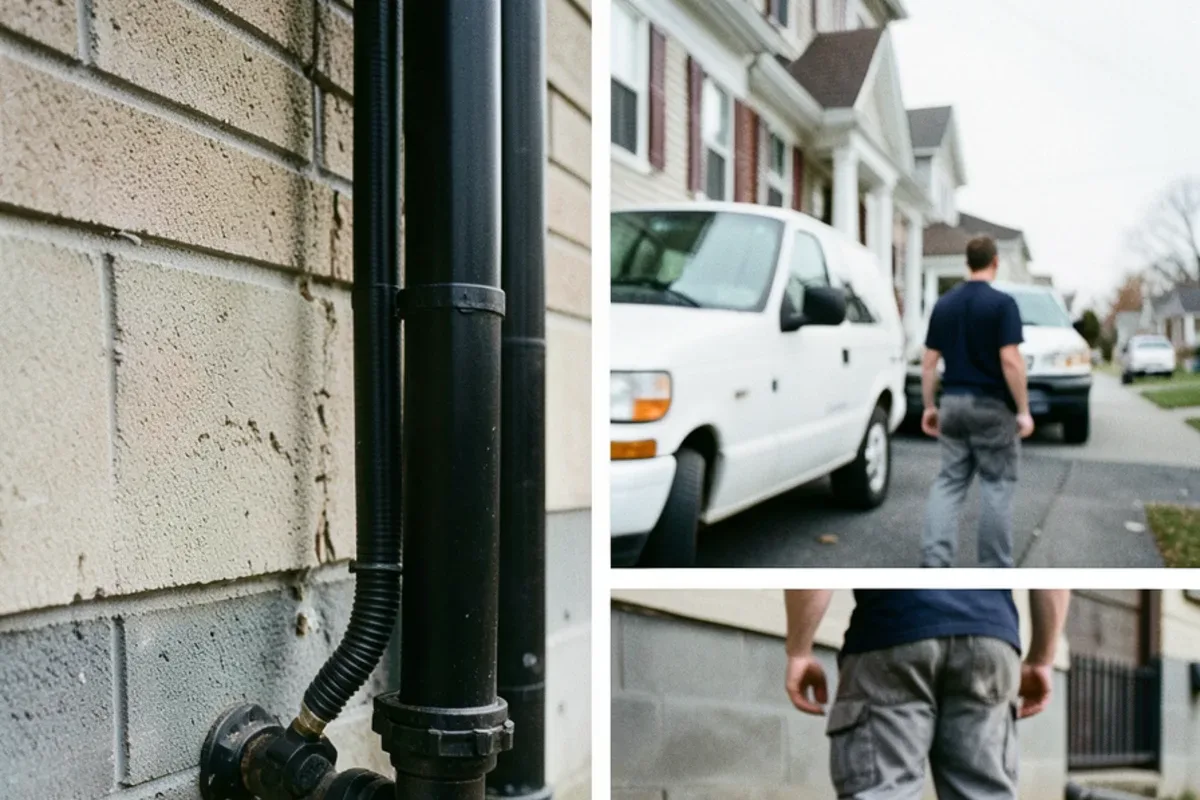
The pressure test is the proof. A gas system that holds a set pressure for the required time with no drop is tight; one that loses pressure is not, and it does not go back into service until it does. Because the utility owns the meter, only it reconnects and relights after the inspection passes. That hand-off between the plumber, the inspector and the utility is the safeguard, and skipping any part of it is how dangerous mistakes happen. We keep to it on every gas job.
Gas leak detection and repair around Auburn Hills and nearby cities
- Plumber in Rochester Hills
Its 1990s homes frequently add a gas range, dryer or generator, each of which needs new pipe run, sized and pressure-tested.
- Plumber in Troy
Finished basements and remodels here often move a furnace or water heater, which is gas work that requires a test and inspection.
- Plumber in Bloomfield Township
Larger homes add standby generators and outdoor gas appliances, extending the system in ways that must be sized and tested.
- Plumber in Pontiac
Older Pontiac homes have aging threaded gas pipe where a corroded joint can weep and needs finding before it is remade.
- Plumber in Rochester
Downtown-era homes mix old gas piping with new appliance installs, so leak testing and re-piping go together.
- Plumber in Birmingham
Kitchen and whole-home remodels routinely convert to gas cooking, which means a new, tested line to the range.
- Plumber in Lake Orion
Lake homes add gas garage heaters and generators, loads that the existing pipe may not be sized to carry safely.
- Plumber in Waterford Township
Older lake-country homes see pilot and connector problems that point back to the gas line and its fittings.
- Plumber in Oakland County
County-wide, most gas calls are additions and moves rather than leaks, and all of them need the same licensed test and inspection.
Gas leak detection and repair questions from Auburn Hills customers
Can I keep using my stove or furnace if I smell gas?
No. Do not light or run any appliance, flip a switch, or use a phone inside if you smell gas. Those can ignite it. Get everyone out, and call your gas utility or 911 from outside. Leave the search for the leak to the utility and a plumber with proper instruments, who work only after the meter is secured.
Who do I call first for a suspected gas leak in Auburn Hills?
Your gas utility, which is Consumers Energy or DTE Gas depending on your street, or 911. They respond to make the house safe and shut the meter. A plumber comes after that to find and repair the line and get it pressure-tested. Calling the utility first is not optional; it is the step that protects the house and the neighbors.
Do I need a permit to add a gas line for a range or generator?
Yes. Adding or extending a gas line is licensed, permitted work under the 2021 Michigan codes, with a plumbing permit from the Auburn Hills Community Development Department and an inspection before the gas is restored. That is because sizing the pipe for the load and proving it holds pressure are exactly what keep a new gas run safe.
How is a hidden gas leak located?
The line is isolated and put under test pressure; a drop on the gauge shows a leak is present in that section. A leak-detection solution bubbles at the fitting where gas escapes, and an electronic detector pinpoints a small or concealed one. The faulty fitting or length is then remade and the section re-tested until it holds.
Still not sure what you're dealing with? Describe it on the phone and we'll tell you what we'd check first.
(207) 419-2600Last updated October 28, 2026