
 By Plumber in Auburn Hills, MI, plumbers on Pond Run in Auburn HillsPublished October 28, 2026Last updated October 28, 2026
If your gas water heater’s pilot lights while you hold the knob down and then goes out the moment you let go, you are seeing the single most common water heater complaint, and it has a specific cause more often than not. The part that proves the pilot is burning, the thermocouple, has usually failed or drifted, so the gas valve shuts the pilot off for safety. A few other faults produce the same symptom, and knowing them tells you what you can check and what needs a pro.
Here is why it happens, what you can safely try, and when the heater needs a technician.
What the thermocouple does
A standing pilot heater has a safety that will not let gas flow to the burner, or even to the pilot, unless it is sure the pilot is actually lit. That proof comes from the thermocouple, a thin metal probe sitting in the pilot flame. When the flame heats its tip, it generates a tiny electrical signal that tells the gas valve to stay open. You hold the knob down during lighting to feed the pilot manually while the thermocouple warms up; once it is hot enough, its signal takes over and you can release the knob. If the thermocouple is worn, dirty or out of position, that signal never gets strong enough, so the valve closes and the pilot drops out the instant you let go. This is by far the most common reason a pilot will not stay lit, and it is a wear item, so it turns up as heaters age.
What you can safely check first
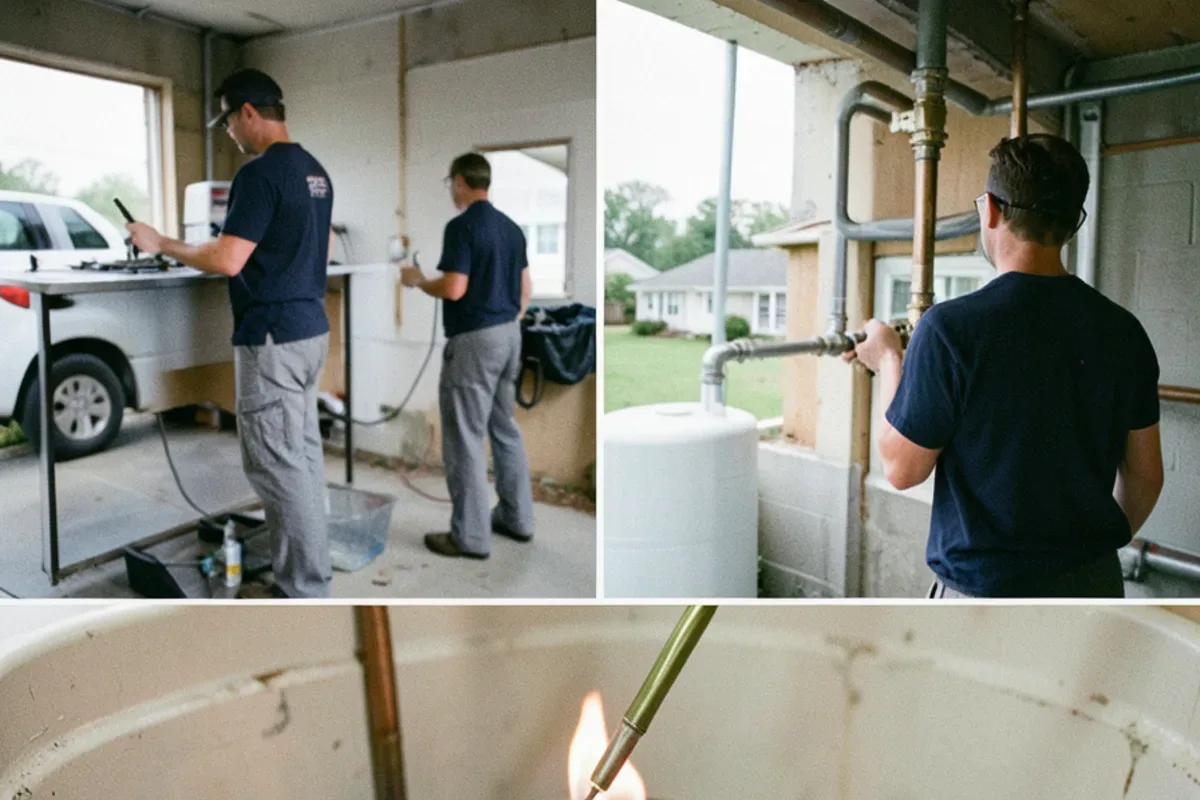
There are a few things a homeowner can reasonably look at before calling. Follow the heater’s own lighting instructions exactly, holding the knob down a full minute after the pilot catches so the thermocouple has time to heat; letting go too soon is a common false alarm. Look at the pilot flame itself if you can see it: a healthy one is mostly blue and wraps the thermocouple tip, while a weak, yellow or flickering flame often means the pilot orifice is dirty and the thermocouple is not getting enough heat. Make sure the gas is on and, if your home has other gas appliances, that they are working, which rules out a supply problem. What you should not do is file, bend or jury-rig the safety parts, because they exist to keep unburned gas from escaping.
The other causes behind the same symptom
When it is not the thermocouple, a handful of other faults produce the identical drop-out. A dirty or partly clogged pilot orifice starves the flame so it cannot heat the probe, common as sediment and dust build up over years. A kinked or damaged pilot tube delivers too little gas. On newer heaters, a tripped thermal switch on the burner chamber, the flammable-vapor sensor, will shut everything down and refuse to relight until the cause is addressed. And a failing gas control valve itself can stop holding the pilot even with a good thermocouple. These need a technician to diagnose, because they involve the gas train, which our water heater repair work handles.
Repair or replace at this point
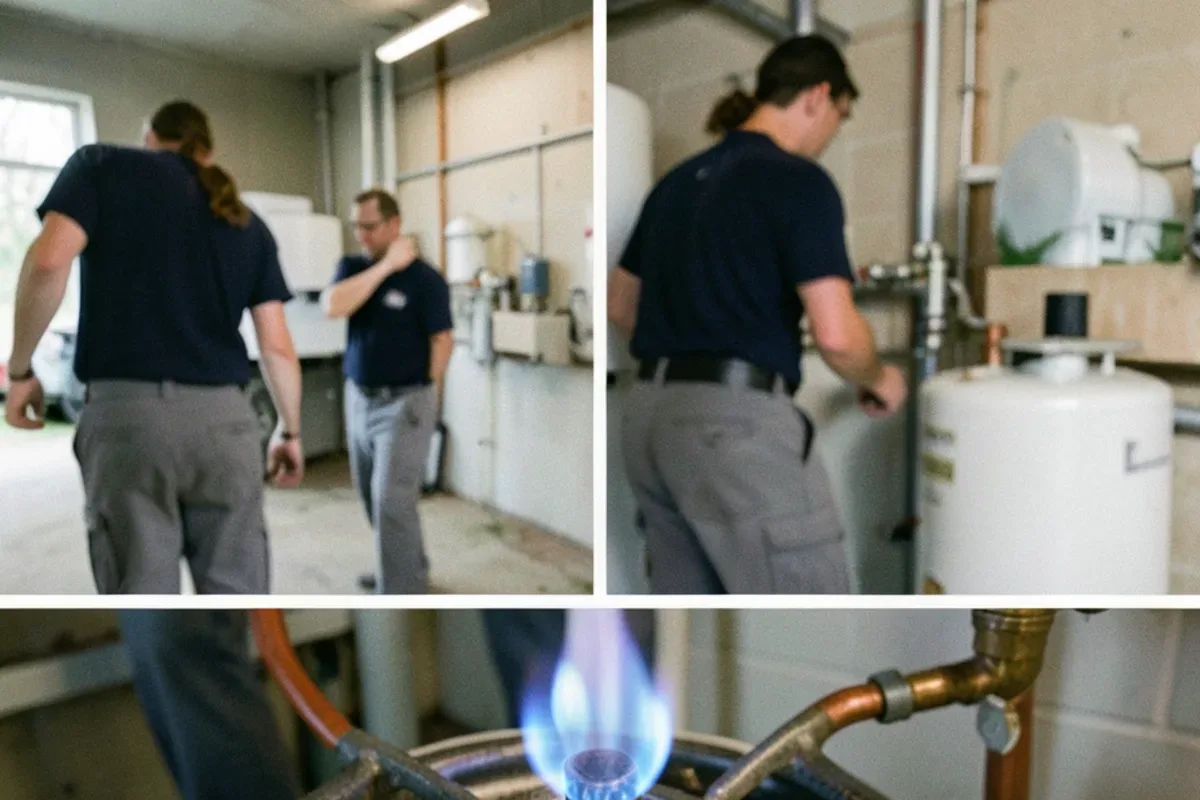
A thermocouple is an inexpensive part, so on a heater with years left the repair is well worth it and the heater goes right back to normal. The calculation changes with age. If the heater is already past ten years, especially on the hard water here that shortens tank life, a pilot that keeps failing can be the moment to weigh replacement rather than sinking repairs into a tank that is near the end anyway. We will tell you honestly which situation you are in, because replacing a thermocouple on a good heater is a small job, while chasing repeated gas-control problems on an old one is throwing money at a heater that is telling you it is done.
When to call instead of relighting
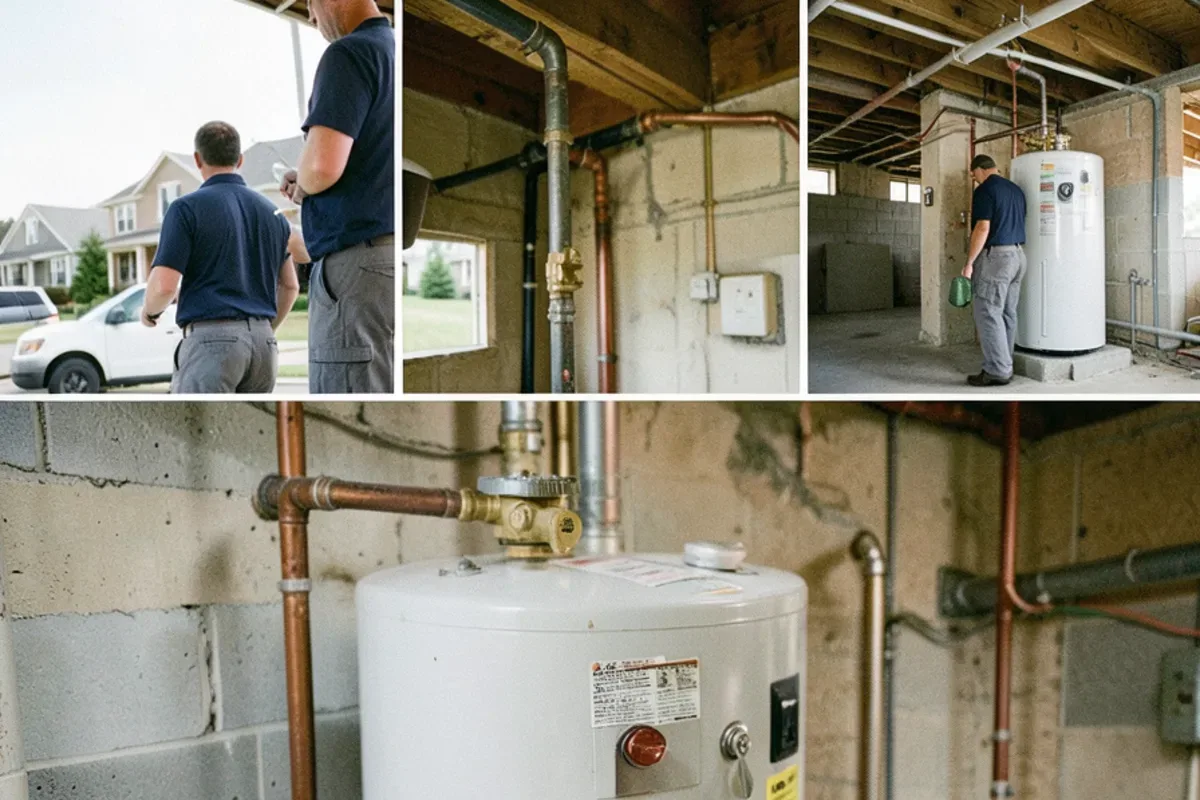
One failed relight following the instructions is worth a second careful try; a pilot that will not hold after that is not going to start behaving, and repeated relighting attempts are not harmless when they involve releasing gas each time. Call when the pilot drops out despite a full-minute hold, when the flame looks weak or yellow, when a newer heater refuses to relight at all, or any time you smell gas. A technician can test the thermocouple’s output, clean or replace the pilot assembly, and check the gas valve, so the heater is fixed properly rather than coaxed into one more cycle.
Questions people ask about this
Why does my water heater pilot go out when I release the knob?
Almost always the thermocouple. It is the probe that senses the pilot flame and tells the gas valve to stay open, and when it is worn, dirty or out of position its signal is too weak, so the valve closes and the pilot drops out the moment you stop holding the knob. It is a wear part, so this turns up as heaters age.
Can I fix a pilot that will not stay lit myself?
You can check a few things: follow the lighting steps exactly and hold the knob a full minute, confirm the gas is on, and look for a weak yellow flame that suggests a dirty pilot. But replacing a thermocouple or working on the gas valve is a job for a technician, and if you smell gas you should stop entirely and leave before calling.
Is a thermocouple worth replacing on an old water heater?
On a heater with years left, yes, since the part is inexpensive and the fix is quick. On a heater already past ten years, especially on the hard water here that shortens tank life, a repeatedly failing pilot can be the moment to weigh replacement instead of putting repairs into a tank that is near the end anyway.
Want a plumber to look at your situation? We're on Pond Run in Auburn Hills.
(207) 419-2600