
 By Plumber in Auburn Hills, MI, plumbers on Pond Run in Auburn HillsPublished October 28, 2026Last updated October 28, 2026
Every spot repair is a judgment that the rest of the pipe is sound. That holds right up until it does not, and the sign you have crossed the line is usually a second or third leak in a system that keeps finding new weak points. Deciding between another patch and a whole repipe comes down to the age and material of the pipe, how often it is failing, and what the next failure will cost beyond the repair itself.
Here is how to weigh those factors honestly, so the choice is based on the system rather than the last leak.
What a spot repair actually fixes
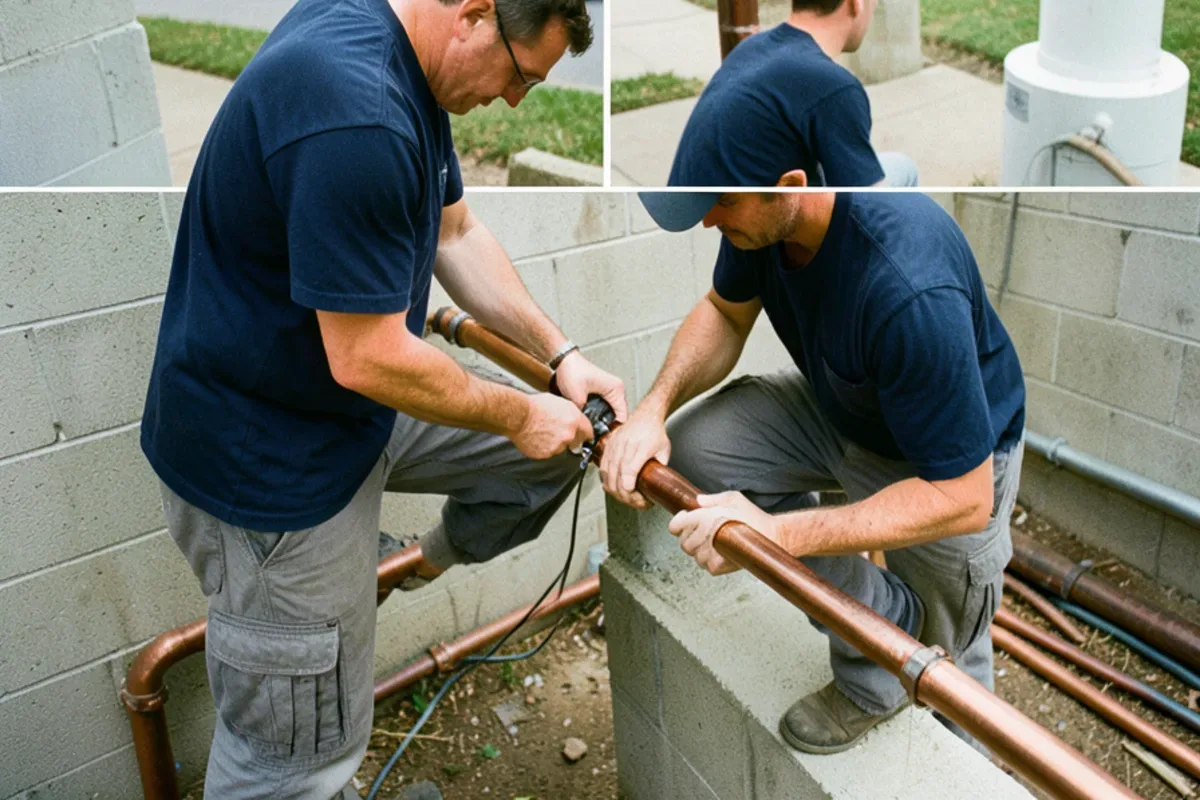
A spot repair replaces the length of pipe that failed and nothing else. That is the right call when the failure is isolated: a pipe nicked by a nail, a single fitting that was stressed, a freeze that split one accessible run. In those cases the rest of the system has plenty of life, and replacing it all would be spending money on pipe that is fine. The question is never whether a spot repair works, because it does; the question is whether the pipe around it is about to fail for the same reason, which turns one repair into a slow series of them.
The signs the whole system is going
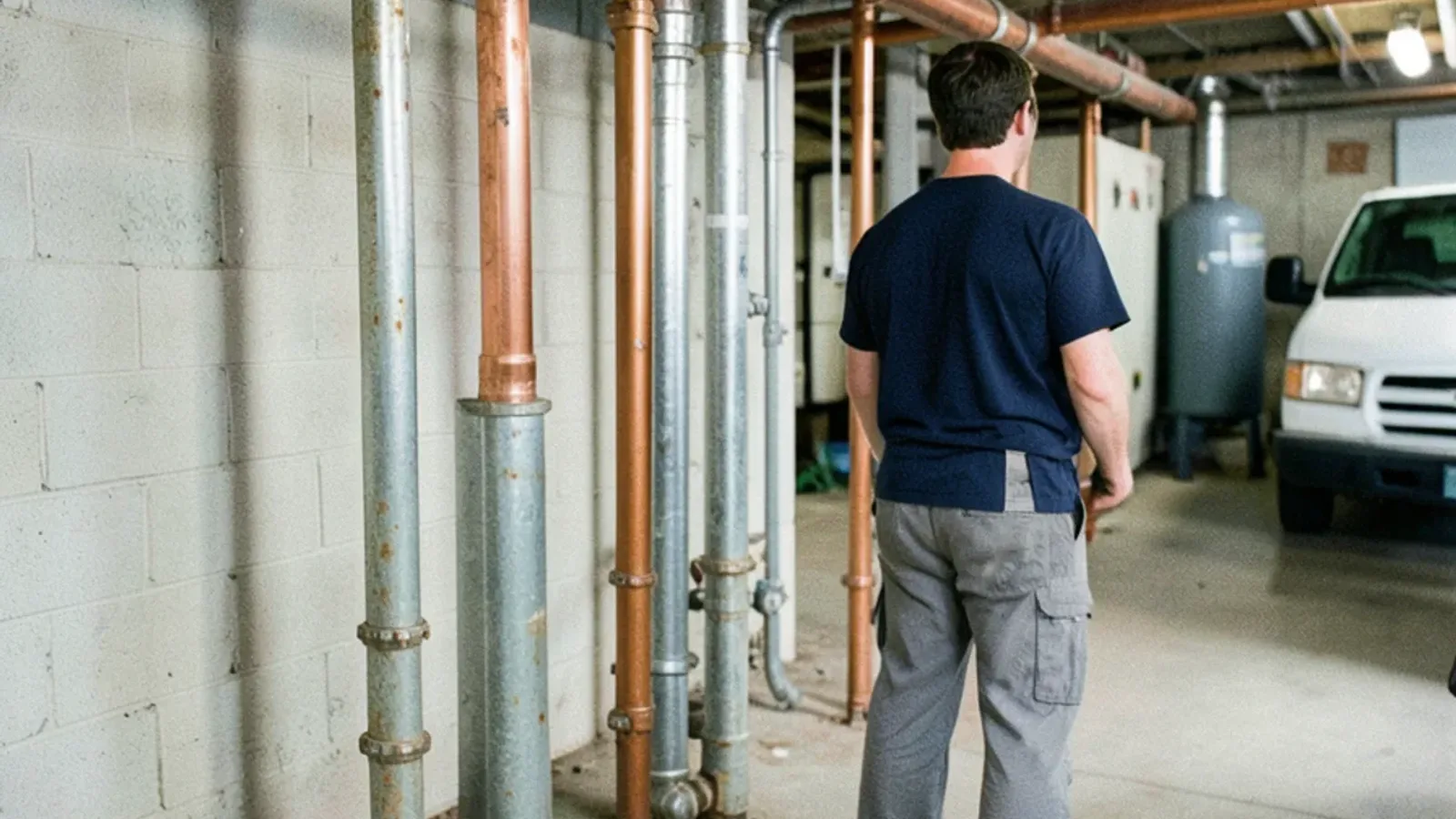
The tell that it is the system and not the spot is a pattern. Galvanized steel supply pipe that has rusted enough to leak in one place has rusted everywhere, so low pressure and discolored water across the house point past any single repair. Copper that develops pinhole leaks from hard water tends to produce more of them, because every run saw the same water for the same years. And polybutylene fails at its fittings throughout a home, not at one. When leaks repeat, when pressure is poor everywhere, or when the material itself is known to fail system-wide, the pipe is telling you the repairs will not end. Our leak detection work often turns up that pattern before the owner has named it.
Running the numbers on repair versus repipe
The math is not only the price of one repair against the price of a repipe; it is the price of all the repairs you will make, plus the cost of the failures between them. A pinhole that opens inside a wall or above a finished ceiling adds drywall, paint and sometimes flooring to the plumbing bill, and an unplanned one can add water damage on top. Add three or four of those over a couple of years and the repipe that looked expensive turns out to have been the cheaper path. There is a quieter cost too, the disruption of a plumber back in the house every few months and the worry about which wall is next, which does not show on an invoice but weighs on the decision all the same. A repipe also resets the clock, so the money buys decades rather than months.
How a whole-home repipe is done
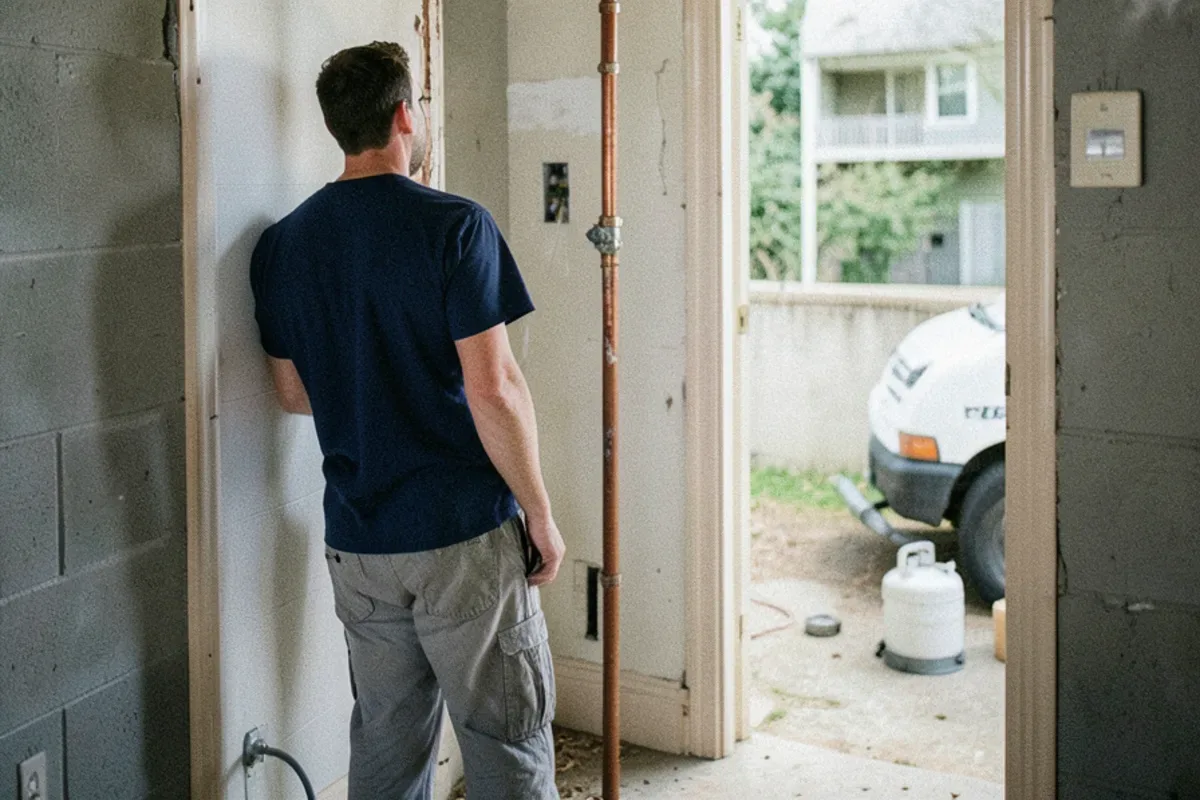
A repipe runs new supply lines, copper or PEX, to every fixture and ties them into the water heater and the main, replacing the failing material in one planned pass rather than piece by piece. In many Oakland County homes the main runs are reachable in the basement, so a good share of the work stays out of finished walls, with only the connections at sinks, tubs and the kitchen reaching up into them. The water is off only while connections are made, and most homes are back in service within a day or two. Our whole-home repiping page covers the materials and the sequence in detail.
When a repipe can wait
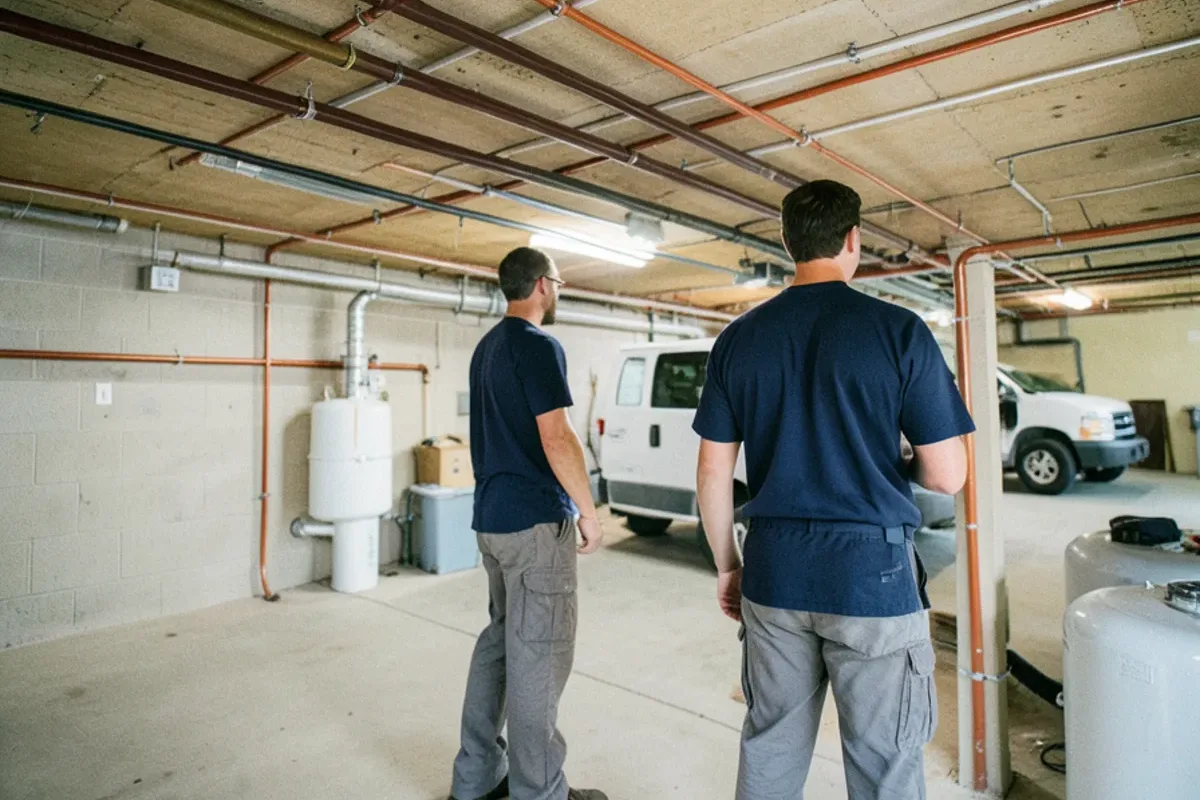
None of this means every leak calls for a repipe. A newer home in copper or PEX that springs a single leak from an isolated cause has a system with decades left, and replacing it would be waste. The same is true of a home where one freeze split one reachable pipe, or a contractor’s nail found a stud bay. The case for a repipe is built on the material and the pattern, not on a single event, so a first leak in sound modern pipe is a repair and nothing more. We say so when that is the honest read, because the point is to stop paying for repairs that will not end, not to replace pipe that is doing fine.
A simple way to decide
If this is the first leak in a sound system, repair it and move on. If it is the second or third in a few years, or the pipe is galvanized steel, aging pinhole-prone copper, or polybutylene, a repipe is probably the cheaper answer once you count the failures you have not had yet. And if a leak has already cost you drywall or flooring, that is the system telling you the next one will too. When it is genuinely a close call, we would rather say so than sell the bigger job, because a repipe is worth it when the pipe has stopped being trustworthy, not before.
Questions people ask about this
When is a repipe cheaper than another repair?
When you count all the repairs you will make, not only the next one. If a home keeps springing leaks, or the pipe is galvanized steel, pinhole-prone copper or polybutylene that fails system-wide, the repairs will keep coming, and the damage a hidden leak does to walls and floors adds up. At that point a repipe that resets the clock usually costs less over time.
Can I just keep spot-repairing old galvanized pipe?
You can, but it rarely ends well. Galvanized steel rusts from the inside everywhere at once, so once it leaks in one place the rest is corroding on the same timeline. Patching one section does not help the others, and the pressure stays poor across the house. For a fully galvanized home, a repipe is usually the real fix rather than a running series of patches.
Is a repipe as disruptive as it sounds?
Usually less than owners expect. In many Oakland County homes the main supply runs are accessible in the basement, so much of the work stays out of finished walls, with only the connections at fixtures reaching up. The water is off only while those connections are made, and most homes are back in full service within a day or two.
Want a plumber to look at your situation? We're on Pond Run in Auburn Hills.
(207) 419-2600