
 By Plumber in Auburn Hills, MI, plumbers on Pond Run in Auburn HillsPublished October 28, 2026Last updated October 28, 2026
A frozen pipe in a condo is two problems in one. There is the plumbing question, how to thaw it before it bursts, and the ownership question, whether the line is yours to deal with or the association’s. Shut off the water to the affected line first, open a faucet downstream to relieve pressure, and warm the pipe gently, never with an open flame.
Here is how to thaw it safely, and how to work out who handles which part in a shared building.
Thaw it without causing a burst
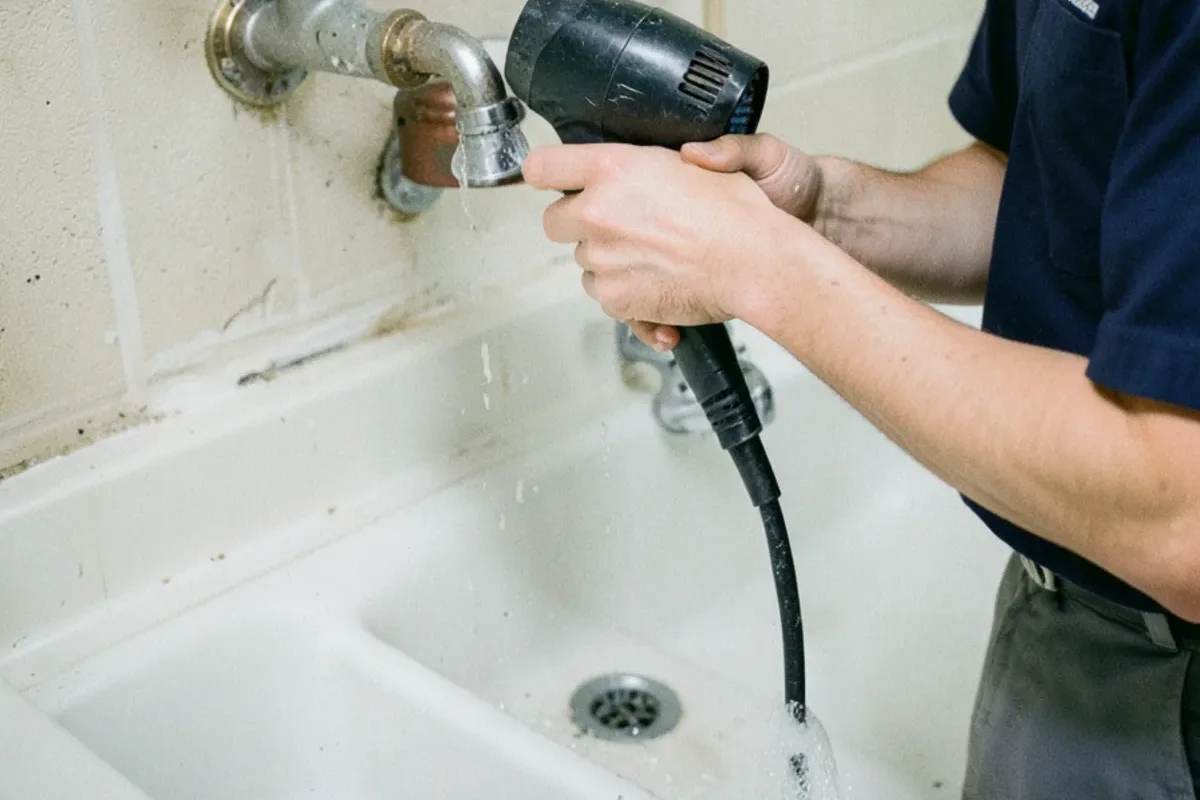
When a pipe freezes, the danger is the pressure the ice builds between the blockage and a closed faucet, which is what actually splits the pipe. So open the faucet the frozen line feeds before you start, giving the water somewhere to go as it melts. Then warm the pipe from the faucet end back toward the cold spot with a hair dryer, a heat gun on low, or towels soaked in hot water. Never use a torch or any open flame; it damages the pipe and is a fire risk in a wall or ceiling. If you cannot reach the frozen section, that is the point to call.
Shut the water to that line
Close the nearest shutoff, or the unit’s main, so a split line does not flood when the ice lets go.
Open the downstream faucet
Give the melting water an escape so pressure cannot build behind the ice.
Warm gently from the faucet end
Hair dryer, heat gun on low, or hot-water towels, working back toward the frozen spot. No open flame.
Watch for a split as it thaws
If water sprays once flow returns, close the shutoff again and call.
Which line is yours in a condo
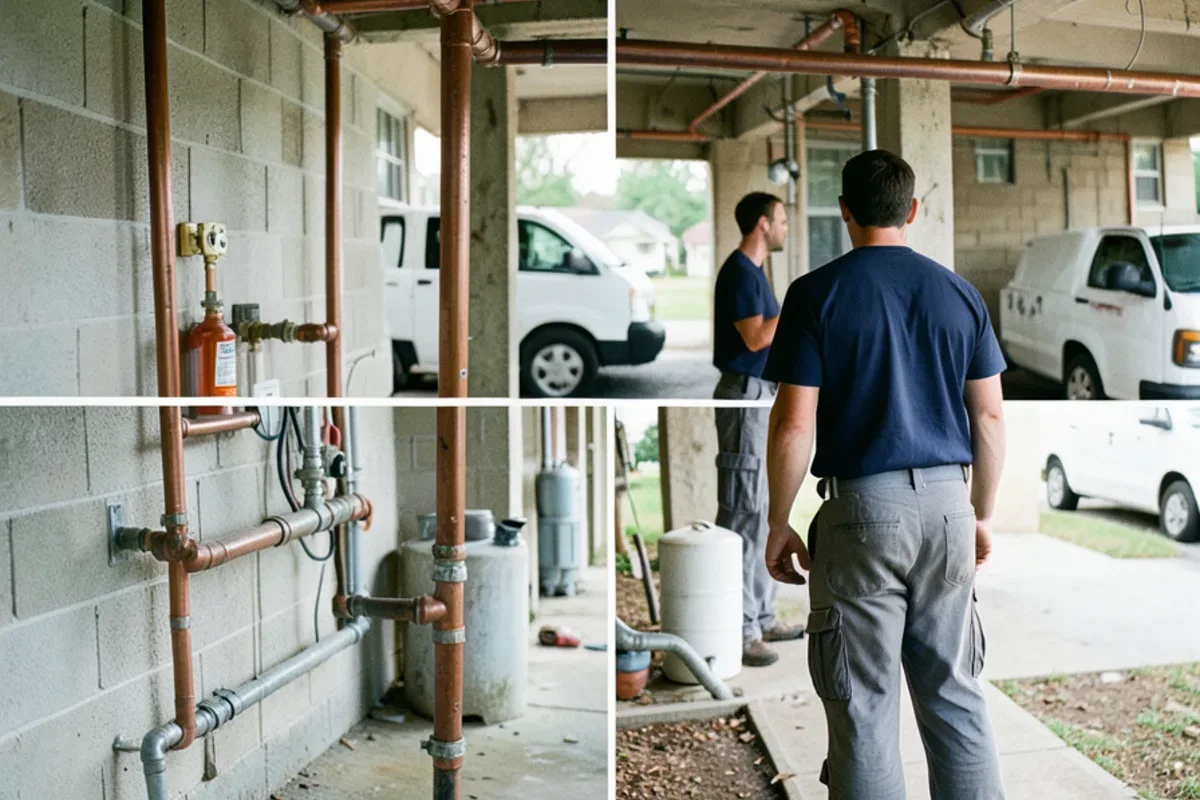
In most condos the dividing line is the same, though the association’s documents are the final word: what is inside your unit and serves only you is usually yours, while shared lines and the pipe within the common structure belong to the association. A frozen supply line to your kitchen is likely your responsibility; a frozen line in a shared chase or a common area is likely the association’s. Because a freeze often happens where a line runs through an unheated common space, the answer is not always obvious, which is exactly why reading the bylaws before an emergency pays off. Our condo and HOA plumbing page covers how that boundary works.
Why upper-level and end units freeze first
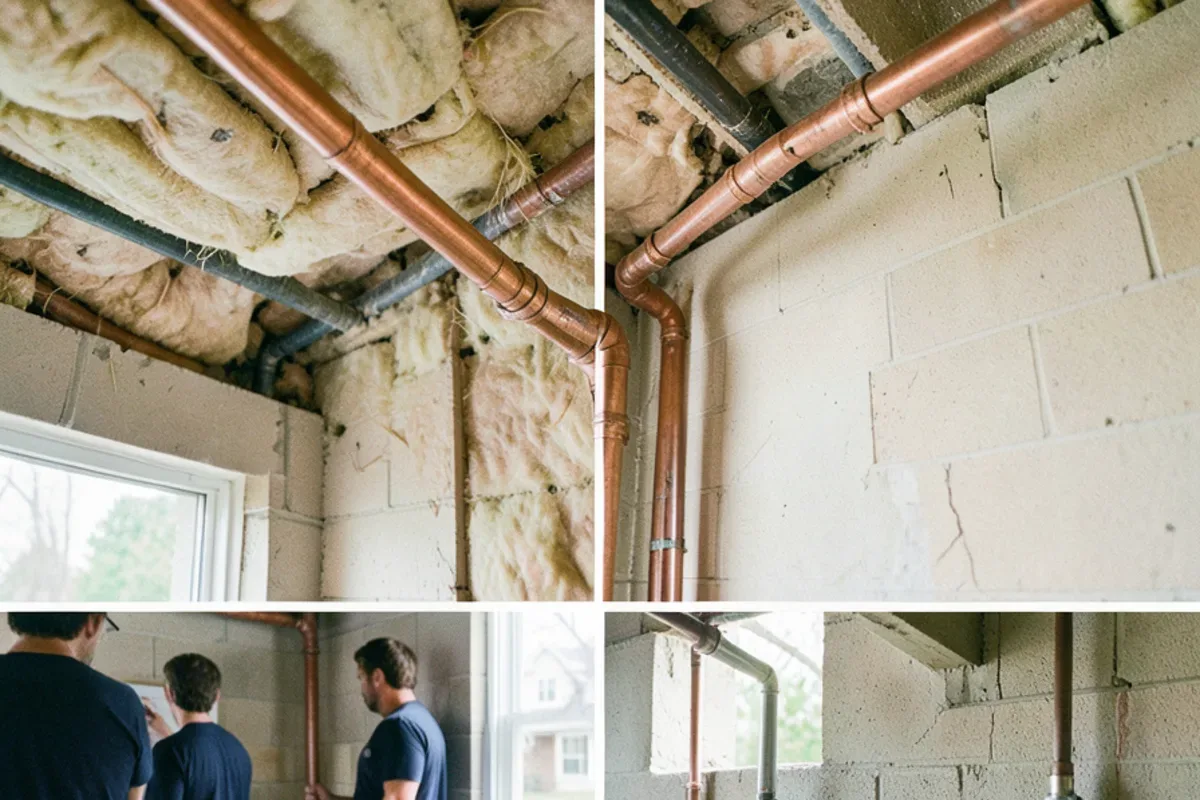
Freezes cluster where pipes meet cold: lines in exterior walls, in unheated utility spaces, and in end units and top floors that have more exposed surface. A unit left cold while its owner travels is the classic case, because the heat that normally keeps a wall cavity above freezing is off. In a stacked building a burst in one unit becomes a flood in the units below, which is why an empty unit kept too cold is everyone’s problem, not only the owner’s. Keeping the heat at a sensible minimum and letting a vulnerable faucet trickle in a hard freeze are the cheap defenses.
Heading off a condo freeze before winter
The freezes that cause the most damage are the ones nobody was home to catch, so the defenses are mostly about the weeks before a cold snap rather than the night of it. If you travel in winter, leave the heat at a steady minimum rather than off, and ask a neighbor to look in, because a thermostat that fails or a furnace that quits while you are away is how an empty unit drops below freezing. Know where your unit’s main shutoff is and that it actually closes, so a burst can be stopped fast whoever finds it. For lines you know run cold, in an exterior wall or an unheated space, letting the faucet they feed drip during a hard freeze keeps water moving enough to resist icing. And where a vulnerable line is in a shared space, raise it with the board before winter, since a freeze there is the association’s to prevent and the whole building’s to suffer.
Call when you cannot find or reach the frozen section, when a line has already split, or when the frozen pipe is clearly in a shared or common area the association maintains. A burst discovered after the fact, with water running, is a shut-the-main-and-call situation; the sooner the water is off, the less reaches the units below. If the freeze is in a line you share a wall or a chase with, it is worth getting the association involved early so the repair and the responsibility are settled together rather than argued afterward.
Questions people ask about this
How do I thaw a frozen condo pipe safely?
Open the faucet the frozen line feeds so melting water has somewhere to go, which keeps pressure from building and splitting the pipe. Then warm the pipe gently from the faucet end toward the frozen spot with a hair dryer or hot-water towels. Never use a torch or open flame. If you cannot reach the frozen section, stop and call.
Is a frozen pipe in my condo my responsibility or the association’s?
It depends where the pipe sits, and the association’s documents decide it. A line inside your unit that serves only you is usually yours; a line in a shared chase or common structure is usually the association’s. Freezes often happen in unheated shared spaces, so read the bylaws and get the board involved early when the boundary is unclear.
Why does leaving my condo cold while I travel cause frozen pipes?
With the heat off or very low, the warmth that normally keeps wall cavities above freezing is gone, so lines in exterior walls and unheated spaces freeze. In a stacked building that burst floods the units below, so keeping the thermostat at a sensible minimum while away protects your neighbors as much as yourself.
Want a plumber to look at your situation? We're on Pond Run in Auburn Hills.
(207) 419-2600