
 By Plumber in Auburn Hills, MI, plumbers on Pond Run in Auburn HillsPublished October 28, 2026Last updated October 28, 2026
In a condo, a plumbing problem is a boundary question before it is a repair question. Whether a leak or a clog is yours to fix and pay for, or the association’s, turns on where the pipe sits, and the answer is written in your governing documents. The trouble is that most owners only go looking for that answer during an active leak, when water is spreading and nobody wants to wait while the bylaws are read. Understanding the split ahead of time is what keeps a leak from turning into a dispute.
Here is how responsibility usually divides, why leaks blur the line, and what to check before you need to know.
The usual dividing line
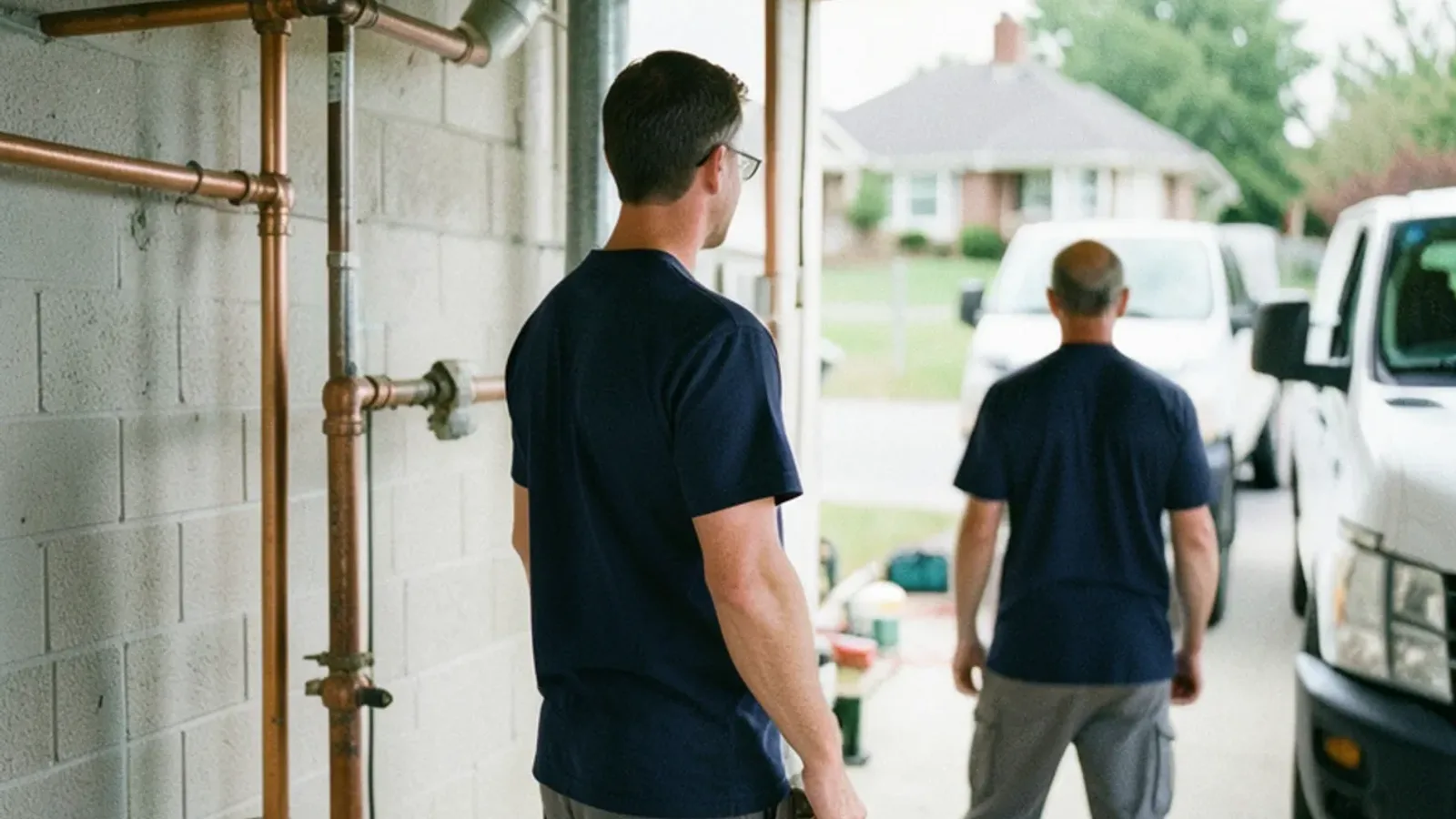
Though every association’s documents have the final word, the split is usually the same in principle. What is inside your unit and serves only you tends to be yours: your fixtures, the branch lines running to them, your water heater, the shutoffs within your walls. What is shared or sits in the common structure tends to be the association’s: the vertical stacks that serve multiple units, the main lines, and the pipe within the building’s common elements. The simplest way to picture it is that the pipe serving just your home is generally yours, and the pipe serving the building is generally the association’s, with the boundary somewhere around where your branch ties into the shared line.
Why a leak blurs the line
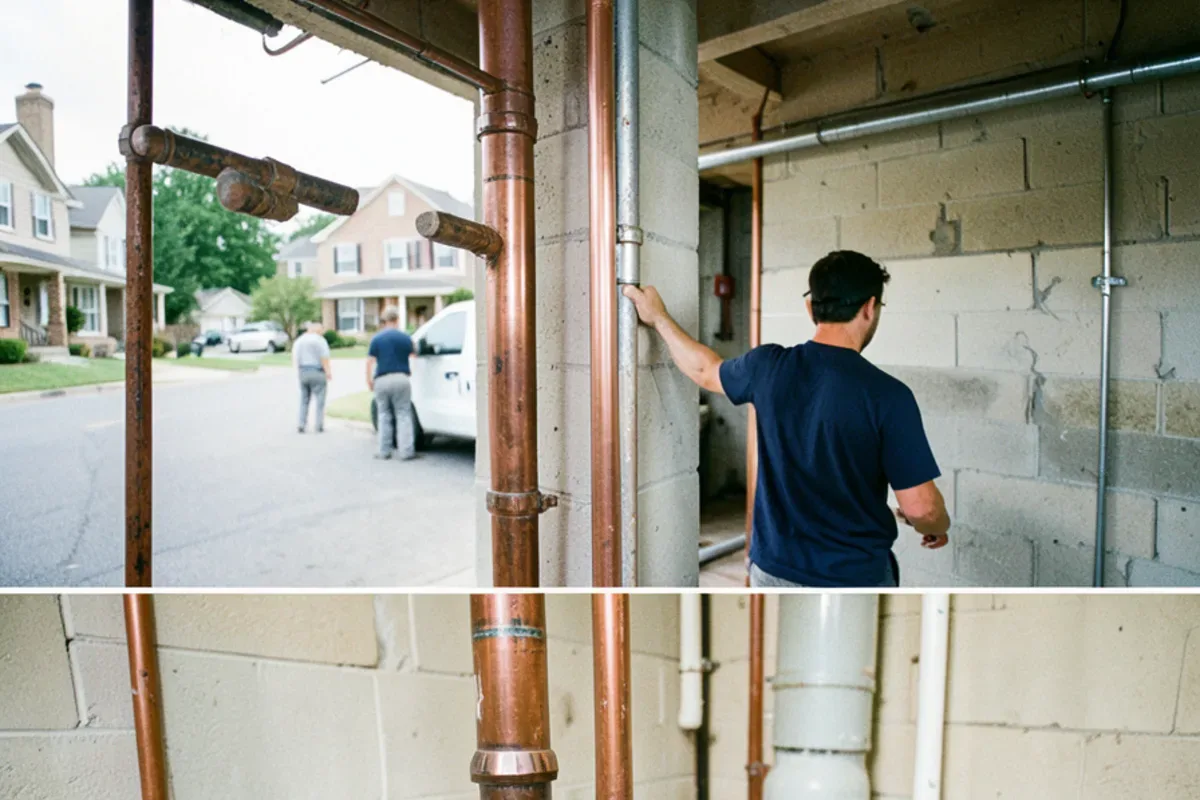
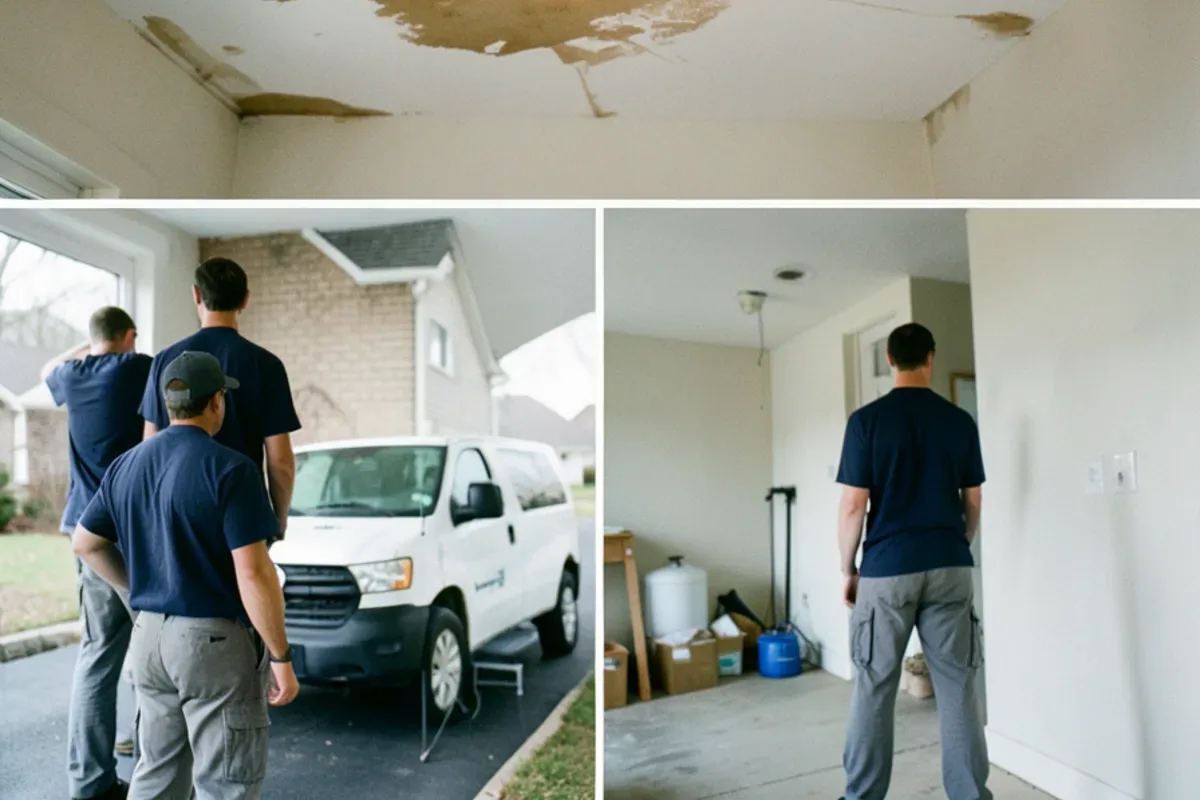
The clean principle gets messy in practice because water does not respect unit boundaries. A failed supply line or an overflowing fixture on an upper floor shows up as a stain two rooms over and a floor below, sometimes days later, so the unit that reports the damage is often not the unit where the pipe failed. Tracing the leak back to its source, which may mean access to another unit, is the real work, and only once the source is found can the owner-association line even be applied. That is why a condo leak is as much an investigation as a repair, and why documenting what failed and where it sits matters for settling who pays.
Read your bylaws before you need them
The document that settles all of this is your condominium’s master deed and bylaws, which define the unit boundaries and spell out maintenance responsibility, usually in a section on common and limited common elements. It is worth reading the plumbing-relevant parts while nothing is wrong, because the definitions are not always intuitive, a line in a shared chase that serves only your unit can go either way depending on how the documents treat limited common elements. Knowing in advance whether your water heater, your branch lines and the stack behind your wall are yours or the association’s means that when something fails you can act rather than argue, and you know whom to call first. It is the kind of ten-minute reading that pays off exactly once, on the day water is on the floor and the answer needs to be already known rather than looked up.
When a clog is a building problem
Drain clogs raise the responsibility question in their own way. A clog in the branch line serving only your fixtures is generally yours; a clog low in a shared stack is the building’s, because it backs up into the lowest unit first regardless of which unit caused it. That is why a lower-floor owner can suffer a backup that originated upstairs, and why clearing it is properly an association matter even when a single resident’s habits are behind it. Sorting a unit clog from a stack clog is part of the first diagnosis on a condo call, and our condo and HOA plumbing work is built around settling that boundary as much as making the repair.
How to handle it when something fails
When a problem hits, the order that saves the most grief is simple: stop the water if you can, protect the area, and figure out where the failure actually is before anyone starts assigning blame. If it is clearly inside your unit and serves only you, it is likely yours to handle. If it involves a shared line, another unit, or a common area, bring the association or management in early so the repair and the responsibility are settled together rather than fought over afterward. Keeping a record of what failed and where it sat, which a plumber can document, is what turns a potential dispute into a clear, billable answer for everyone involved.
Questions people ask about this
Who pays for a plumbing repair in a condo?
It depends where the pipe sits, and your bylaws have the final word. Generally, pipe inside your unit serving only you is yours, while shared stacks, main lines and pipe in the common structure are the association’s. The boundary is roughly where your branch ties into the shared line, so the first step is always establishing which side of it the problem is on.
A leak from the unit above is damaging mine. Whose responsibility is it?
First the source has to be found, since water travels along the structure before it shows below, so the damaged unit is often not where the pipe failed. Once the failed pipe is identified, the owner-association line decides responsibility. If it is the upstairs owner’s line, it is theirs; if a shared line, the association’s. Documenting the source is what settles who pays.
Why did a clog in another unit back up into mine?
Because stacked units share drain stacks, and a clog low in a shared stack backs up into the lowest unit first, whatever unit caused it. That makes it a building problem even when one resident’s habits are behind it, and it is why clearing a shared-stack clog is properly handled through the association rather than billed to the unlucky lowest owner.
Want a plumber to look at your situation? We're on Pond Run in Auburn Hills.
(207) 419-2600